Let's name what actually happened
Your body grew a human, pushed it out (or had it removed surgically), and now lives in a state of physical recovery you probably weren't prepared for. Postpartum bodies are not the same bodies that existed before pregnancy. That's not a problem to fix. It's information you need to work with.
Here's what most people don't discuss honestly: pleasure changes. Not permanently, but noticeably. Tissue is tender. Hormones are chaotic. If you're breastfeeding, your nipples might be off-limits entirely. And yet somewhere underneath all that, desire often hasn't actually gone anywhere. It's just been buried under exhaustion and physical vulnerability.
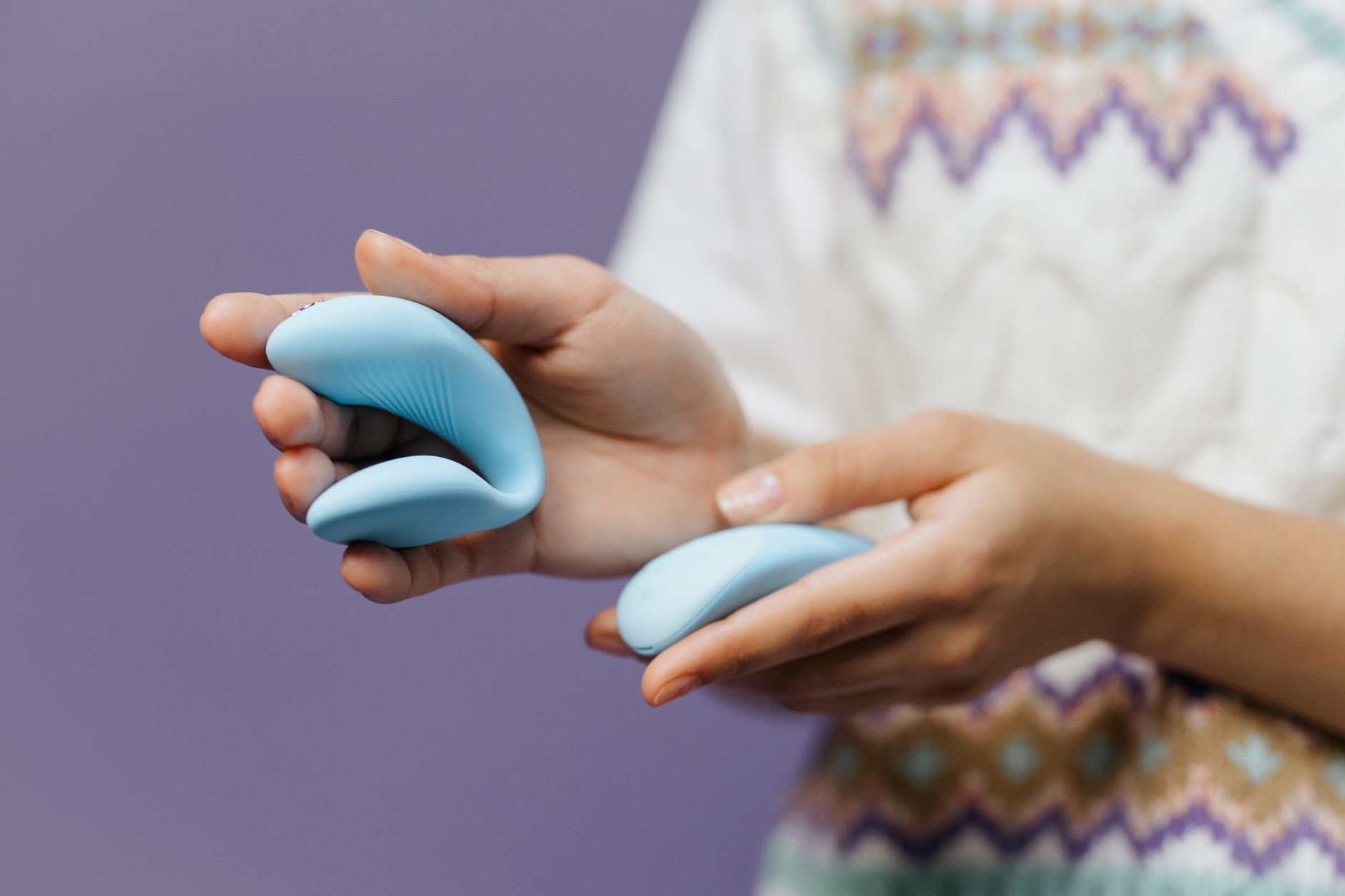
This is where lemon clitoral vibrators make an actual difference, not as a quick fix, but as a bridge back to yourself.
What postpartum bodies experience physically
The postpartum period reshapes your pelvic floor whether you delivered vaginally or via cesarean. Vaginal delivery causes direct tissue trauma. Cesarian births spare you that but still leave abdominal scar tissue and hormonal disruption. Both shift sensation.
Estrogen crashes after delivery. This affects lubrication, tissue thickness, and how quickly arousal builds. If you're breastfeeding, prolactin suppresses estrogen further. Your vulva might feel less responsive. Orgasms, if you manage them at all during those early months, often feel muted or require different kinds of stimulation than before.
The pelvic floor itself gets overworked. You're likely sleeping in fragmented chunks, which keeps your nervous system in sympathetic overdrive. That means your body stays somewhat guarded, even during moments meant for pleasure.
Why traditional vibrators feel wrong postpartum
Most vibrators rely on aggressive direct vibration. After birth, that sensation often feels too intense. It's not that your tissue is broken. It's that direct mechanical pressure on newly sensitive nerves reads as uncomfortable rather than pleasurable.
A lemon vibrator works through suction and air-pulse technology instead of traditional vibration. This matters postpartum because suction stimulates the entire clitoral network without the concentrated friction that can feel painful on healing or sensitive tissue. You get intense sensation without harshness.
Many of my clients report that they could barely tolerate their old toys for months postpartum, but the gentler pressure of a lemon clitoral vibrator felt almost immediately accessible. That accessibility matters psychologically too. When your body stops rejecting pleasure tools, you start believing reconnection is possible.
The mental side matters as much as the physical
Postpartum intimacy isn't just a body problem. Your brain has been rewired by hormones and sleep deprivation and the sheer cognitive load of keeping a human alive. Desire isn't just hormonal. It's contextual.
Many partners report that they feel guilty about wanting pleasure at all, as though acknowledging desire means they're selfish or not prioritizing the baby enough. That guilt becomes the real barrier. Using a lemon vibrator alone first is often the permission structure people need. It's not cheating on your relationship. It's reclaiming a part of yourself.
When you rebuild pleasure solo first, you also learn what actually feels good now. Your body has changed. What worked before might not work the same way. A lemon sucker allows you to explore at your own pace, without pressure to perform for a partner while you're still figuring out what sensation even means postpartum.
How to actually use a lemon vibrator postpartum
Start absurdly early. Not the first week. But by week six or eight (with clearance from your provider), low-intensity exploration can actually help. It increases blood flow to healing tissue and reminds your nervous system that pleasure is still available.
Use it alone first. I mean this genuinely. Spend time learning how the suction feels, what intensity doesn't make you wince, whether patterns that feel good during one part of your cycle feel terrible during another. You're gathering intelligence about your own body.
Go lower than you think. Start on pattern one or two of a lemon vibrator, even if you used it on eight before pregnancy. Your baseline has shifted. Build from there.
Expect emotional release. Reconnecting with pleasure postpartum sometimes triggers crying, anger, or weird grief. That's normal. Your body is literally recalibrating its connection to sensation. Let it.
Partnered intimacy after you've reconnected solo
Once you've figured out what feels good to you alone, involving a partner becomes less about proving you still function and more about genuine reconnection. This changes the dynamic entirely.
Some couples use lemon vibrators together immediately. Others don't. What matters is that the vibrator becomes a tool you're choosing to use, not a workaround for a broken body. That psychological shift transforms the experience from "we're fixing a problem" to "we're exploring together."
If your partner felt rejected or uncertain during the no-sex months, rebuilding intimacy also means rebuilding trust that you still want them. A lemon clitoral vibrator can actually facilitate that. When pleasure returns through tools that work for your changed body, your partner gets to witness you experiencing joy again. That matters more than penetrative sex ever could.
When postpartum changes warrant professional support
If pain persists beyond six months postpartum, see a pelvic floor physical therapist. Scar tissue from cesarean delivery or tearing sometimes needs professional intervention. A therapist can often accelerate healing in ways solo exploration can't.
If desire hasn't returned at all by six months and you're sleeping reasonably and your hormone levels are stable, hormonal screening and therapy conversations are worth having. Sometimes postpartum depression masks itself as zero sexual interest. Sometimes it's just the accumulated weight of early parenthood. A coach or therapist can help you untangle that.
Most importantly: postpartum sexual recovery is not linear. You'll have weeks where your body feels almost like before, then suddenly you'll feel touched out and raw again. A lemon vibrator's gentler stimulation means you can engage even on the harder weeks without pain or frustration.
FAQ
When is it actually safe to use lemon vibrators after giving birth?
Most providers clear penetration and external stimulation around six weeks postpartum with no complications. Internal toys are a different conversation. External use of a lemon clitoral vibrator is typically safe sooner because it's non-penetrative. Still, ask your provider before you start. Healing looks different for everyone.
Does using lemon vibrators postpartum actually help you orgasm faster?
Not always faster, but often yes. Air-pulse technology reaches nerve clusters more efficiently than traditional vibration, which matters when your tissue is sensitive. More importantly, it helps you experience pleasure at all when other tools feel too intense. That's the win.
Can you use a lemon vibrator while breastfeeding?
Yes. Breastfeeding hormones suppress estrogen, which makes lubrication harder and makes the process feel less responsive overall. A lemon vibrator works better than traditional vibrators precisely because it doesn't require the same arousal buildup. You're not broken. Your biology is just temporarily different.
Is it normal to feel nothing at all postpartum even with a good vibrator?
Completely normal, especially in the first three to six months. Your nervous system is recovering. Your hormones are chaotic. You're probably exhausted. Numbness postpartum is usually temporary, not permanent. If it extends beyond six months without improvement, that's worth discussing with both your provider and a therapist.
Should you use a lemon vibrator before your partner knows?
That's entirely your call. Some people want to reclaim solo pleasure privately first. Others find that transparency with their partner feels better. There's no moral dimension to either choice. What matters is that you're choosing what serves your body and your relationship.
Will your partner feel replaced by a vibrator?
Not if pleasure reconnection is framed correctly. A lemon vibrator isn't a substitute for your partner. It's a tool that helps your body remember sensation while you're in an intense caregiving phase. Most partners actually feel relieved to see you experiencing pleasure again, even if it's mediated by a tool. It suggests intimacy might be possible again sooner.
The path forward
Postpartum bodies are not broken versions of your pre-baby self. They're adapted versions. A lemon clitoral vibrator works with that adaptation rather than against it. It meets your tissue where it is now, not where it used to be. That's not settling. That's strategic.
Your pleasure matters. Rebuilding intimacy matters. But rushing either one matters less than doing both on your body's timeline. Start with yourself. Learn what a lemon vibrator feels like when it's just you and your recovery. Then, when you're ready, invite your partner back into physical closeness. The reconnection will feel earned rather than forced. And that makes all the difference.