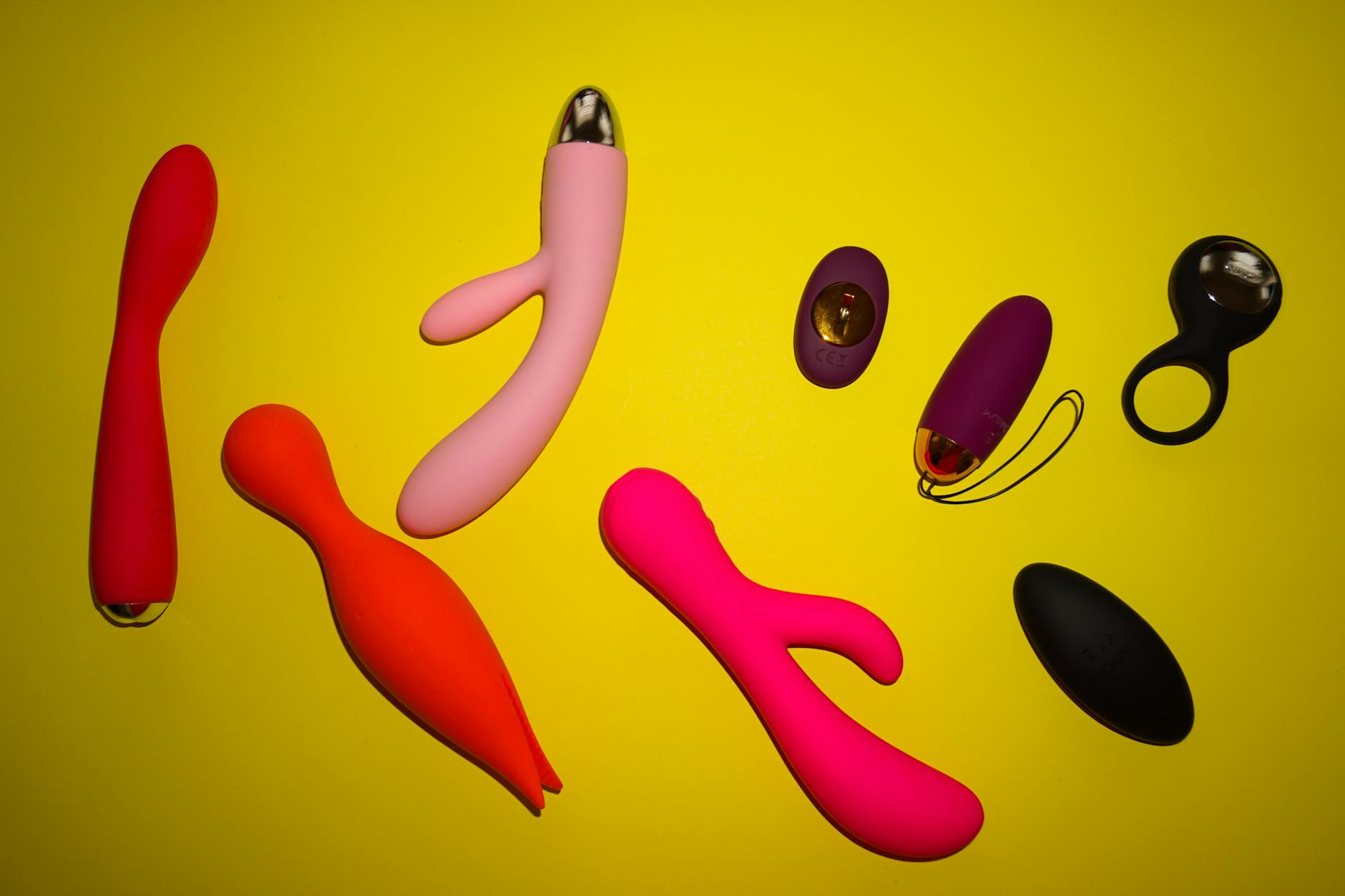
Here's the thing nobody tells you about hormonal shifts
Your arousal timeline isn't broken. It's just slower now. What used to happen in five minutes now takes fifteen or twenty, and the physical response feels different too. That's not dysfunction. That's biology.
The frustrating part? Most of the tools and techniques you've been using assume your old arousal pattern. A traditional vibrator that worked brilliantly for fast-ramping stimulation feels either too intense or oddly disconnected when your body needs a gentler, longer lead-in. That's where lemon vibrators and lemon clitoral vibrators change the game. They're designed for exactly this kind of shift.
How hormones actually control arousal speed
Estrogen, progesterone, and testosterone all influence how quickly blood flows to your genitals and how sensitive your nerve endings are. They're the dimmer switch. Higher hormone levels typically mean faster arousal. Lower or fluctuating levels mean your body needs more time to build the same response.
This happens during perimenopause, after coming off hormonal birth control, during certain phases of the menstrual cycle, and with some medications. What matters is that the change is real and measurable, not something you're imagining.
A lemon vibrator works with this timeline instead of fighting it. The design of clitoral vibrators that use gentle suction or air-pulse technology means you can start at lower intensity and let arousal build at your body's actual pace, rather than forcing stimulation into an old template.
Why traditional vibrators feel wrong now
Most standard vibrators are built for rapid, high-intensity stimulation. They assume arousal is already halfway there and just needs a push. When your arousal is moving slower, that approach creates a mismatch. You either turn it off because it feels too strong, or you keep it on but the sensation feels weirdly external, like it's not quite connecting.
A lemon clitoral vibrator works differently. Suction-based or air-pulse lemon adult toys create a seal and stimulate the clitoris without the aggressive friction of traditional vibration. This matters enormously when your tissues are less engorged and your sensitivity is higher. The gentler approach gives your body time to respond while the stimulation remains consistent and precise.
The timeline shift you're probably experiencing
Let's map what's actually happening:
Old pattern (pre-hormonal shift). Physical touch or mental focus triggers blood flow. Arousal builds in 5-10 minutes. Clitoral tissue becomes firm and responsive. Orgasm can arrive quickly once stimulation starts.
New pattern (with hormonal changes). Physical touch or mental focus requires more time to trigger response. Arousal builds in 15-25 minutes. Clitoral tissue engorges more slowly. Orgasm takes longer to reach, but often feels fuller once it arrives.
Neither timeline is better. But they require different tools. This is exactly why lemon vibrators work better for women in perimenopause, and why the same principle applies across different hormonal contexts.
What a lemon clitoral vibrator does differently
Suction-based vibrators like the Lemon create gentle pressure and release cycles that stimulate nerves without requiring heavy engagement from tissues. This means:
They work with slower arousal instead of against it. You can use lower settings early and increase gradually as your body responds, matching your natural timeline.
They create consistent sensation even when tissue response is slower. The suction effect doesn't depend on how engorged you are. It works.
They feel less overwhelming on sensitive tissue. Hormonal shifts can make sensation sharper and more intense. A lemon vibrator's approach feels precise rather than aggressive.
The warm-up strategy that actually works
Here's what I recommend to clients dealing with arousal timing shifts:
Extend foreplay by 10-15 minutes. This sounds simple but it's crucial. Your body isn't slow. It just needs more time. Budget accordingly and stop treating it like a delay.
Start your lemon adult toy at pattern one or two. Don't wait until you're highly aroused to introduce it. Let it be part of the build. Suction toys are gentle enough to use from lower arousal states.
Use lube even if you think you don't need it. Hormonal shifts change lubrication. Water-based lube isn't a sign of dysfunction. It's a tool that lets sensation work the way you need it to.
Focus on sensation, not speed. The goal isn't to force your arousal timeline back to what it was. It's to enjoy the current timeline. Lemon vibrators excel at this because they create nuance. You can feel the difference between patterns in a way traditional vibrators often don't offer.
When to adjust your technique versus when to seek help
Slower arousal from hormonal shifts? Completely normal. Adjust your approach, use the right tool, and move forward.
Arousal that disappeared entirely? Physical numbness even with stimulation? That's worth a conversation with a doctor. Hormonal changes can affect sensation in ways that go beyond timing, and sometimes medical support makes a real difference.
Pain or discomfort that didn't exist before? See a gynecologist or sexual health specialist. This can indicate dryness, tissue changes, or other issues that are highly treatable.
The mindset shift that matters most
Here's what I see happen in my practice over and over: People assume that slower arousal means their sexuality is fading. Then they rush the process, fight their body's timeline, and end up frustrated.
The truth is simpler. Your arousal is different now, not less. A lemon clitoral vibrator isn't a workaround for a broken system. It's a better match for your current physiology. Once you accept that and adjust your expectations accordingly, pleasure often becomes richer, not diminished.
Your timeline is yours. Your body gets to set it. And the right tools make all the difference in trusting that.
FAQ: Arousal timing, hormones, and lemon vibrators
Why does my arousal take longer since I stopped hormonal birth control?
Hormonal birth control suppresses your natural hormone fluctuations. When you stop taking it, your natural cycle returns, which includes natural peaks and valleys. During lower-hormone phases of your cycle, arousal typically takes longer. This is normal. Your body is responding to its actual hormone levels rather than the constant synthetic levels from the pill. It usually settles into a predictable pattern after a few cycles.
Can a lemon vibrator actually help with slow arousal, or is it just a different toy?
It's actually both. A lemon vibrator offers a different type of stimulation that works better with slower arousal timelines. Suction-based vibrators like the Lemon don't require tissues to be fully engorged to feel effective. They create sensation through gentle pressure rather than friction. This means they can engage your sensitivity earlier in the arousal process and feel consistent throughout. For people experiencing hormonal shifts that slow their arousal, this difference is material.
If arousal is slower, does that mean my hormones are actually low?
Not necessarily. Hormonal changes are about fluctuation, not always about absolute levels being low. You could have normal hormone levels but different timing in how they cycle. You could have genuine hormone shifts from perimenopause, medication, or other factors. Or the change could be driven by something separate entirely, like stress or relationship dynamics. If you're concerned, a blood test during the appropriate phase of your cycle gives you concrete data. A doctor can tell you what's actually happening rather than you guessing.
Should I stop using my old vibrator entirely?
Not unless you want to. Some people keep multiple toys for different situations. What matters is that when your arousal is slower, you have a tool that works with that pace rather than fighting it. A lemon clitoral vibrator gives you that option. Use both if they both feel good. Use the one that matches your current body. Flexibility is your friend.
How long does it usually take to adjust to a new arousal timeline?
Days to weeks for the surprise factor to wear off. A few months to actually trust the new pattern. Six months to a year to find a rhythm that feels natural. Hormonal shifts aren't sudden internal changes that your nervous system adjusts to instantly. Your body takes time to establish new baselines. That's fine. Be patient with the process.
Does arousal timing ever go back to the way it was?
Depends. If the shift was from hormonal birth control, it may shift again during your cycle going forward, but it probably won't return to the constant pattern you had on the pill. If it's from perimenopause or menopause, the timeline change is typically permanent, though it often improves over time as tissues adapt. If it's medication-related, it may shift if you change medications. The point is: don't spend years waiting for your old arousal to come back. Adapt to your current body instead. That's where real pleasure lives.