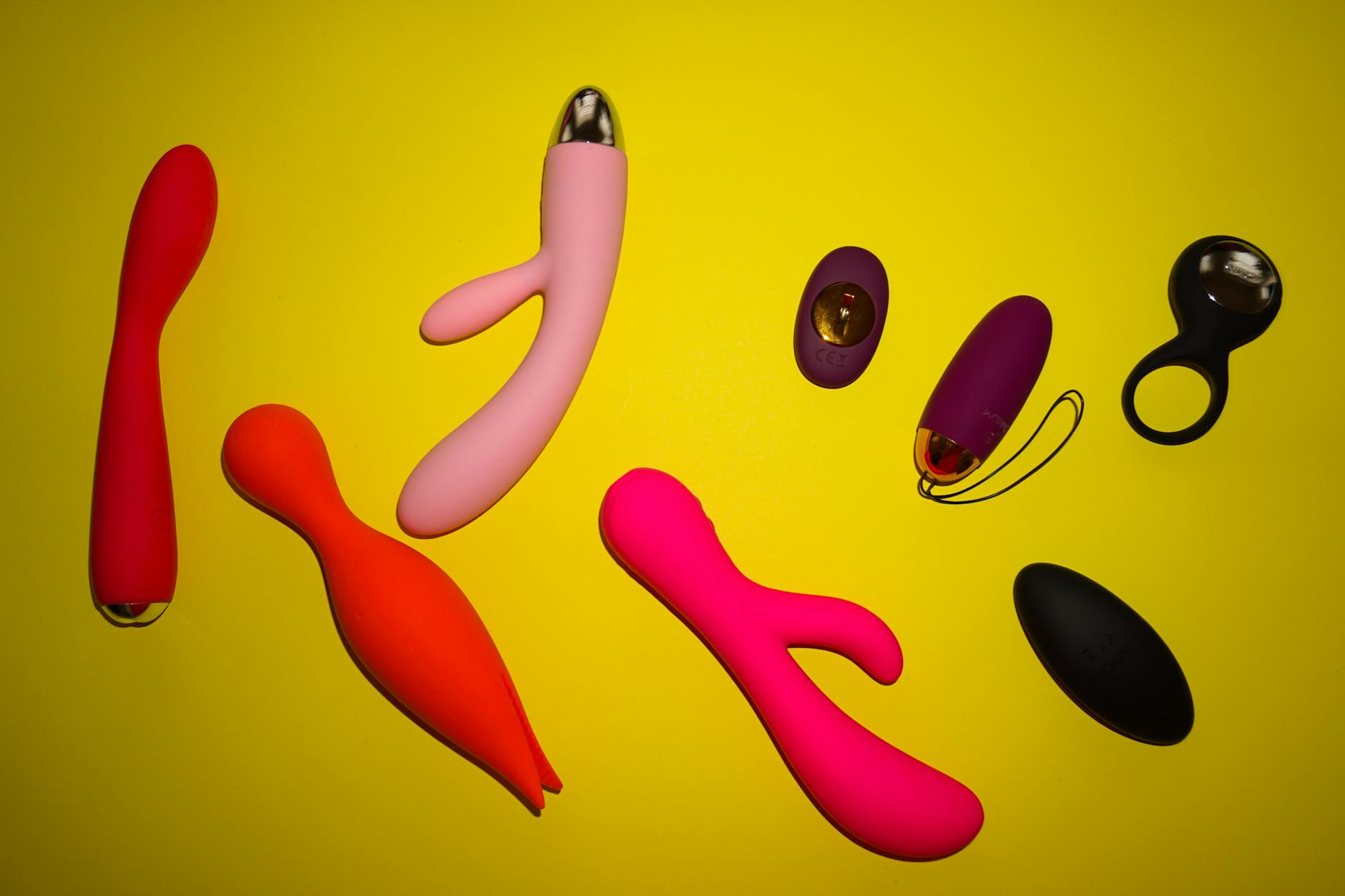
How Lemon Vibrators Help When You Feel Out of Sync With Your Partner
When desire timing doesn't match, arousal speeds differ, or you're not building pleasure together, lemon clitoral vibrators can close the gap instead of widening it.
You love your partner. You're attracted to your partner. And somehow, you're still not climaxing at the same time, or they're ready before you've even warmed up, or they've finished and you're left hanging. That specific friction—the one where desire is real on both sides but the rhythm doesn't match—is one of the biggest unspoken relationship problems I see in practice.
Here's what most couples get wrong: they treat the mismatch as a sign something's broken. It's not. It's just biology and timing and sometimes decades of different pacing habits colliding in bed. And lemon vibrators, specifically clitoral vibrators like those designed for direct stimulation, can actually help you sync back up instead of creating distance.
There are a few common patterns. One partner takes longer to build arousal. The other reaches peak stimulation faster. One needs consistent pressure; the other likes variable patterns. One gets overstimulated quickly; the other needs extended buildup. Mix any two of these together and suddenly sex feels like a negotiation instead of a connection.
The brain also plays a role. If you're the partner who takes longer to climax, you might spend half the encounter in your head, calculating whether you're "taking too long" instead of staying present. Your partner, meanwhile, might be anxious about maintaining their own arousal while waiting. Both of you end up in performance mode. That's the opposite of pleasure.
Add in life stress, hormonal shifts, or medication side effects, and the mismatch gets worse. Everything that makes one person's arousal slower or less responsive gets magnified when you're both watching the clock.
Lemon vibrators work differently than traditional vibrators because they use suction and pulsing rather than simple vibration. This matters for sync because suction activates nerve endings in a way that feels more targeted and intense. You can reach climax faster, which means less time spent in your head and more time actually present.
But the real shift is psychological. When both partners know you're using a tool that works reliably for you, the pressure to perform drops. You're not trying to come fast enough. They're not anxious about overstaying their welcome. You can both relax into the experience.
I've worked with couples where one partner was using lemon vibrators solo for months—building stronger, faster orgasms on their own schedule. Then they brought it into partnered sex, and suddenly the dynamic flipped. The faster partner felt less rushed. The slower partner felt less guilty. The tool became a bridge instead of a band-aid.
Let's be specific about how to introduce lemon vibrators without making it weird.
Start by talking about it outside the bedroom. "I've been thinking about adding something to our sex life that might help me get there faster" is a conversation, not a surprise. Frame it as something for you, not something you need them to fix or something they're not doing right.
When you're actually in bed, use it solo first while they're present. You can be together—touching, making eye contact, building arousal together—while the lemon vibrator does its work on you. This removes the awkward dynamic of them trying to stimulate you while managing their own pleasure simultaneously.
Timing matters. If one partner typically climaxes quickly, they can wait for you to be close before entering you, or you can use the vibrator while they're inside you for that final push. The key is letting the tool extend the experience rather than shorten it for both of you.
Here's something counterintuitive: many couples find they're actually more in sync after introducing lemon vibrators, even though they're adding a tool. Why? Because you're both clear about what brings you pleasure. There's less guessing. Less anxiety. The vibrator becomes a third participant that's totally reliable.
One partner stops trying to be your source of orgasm and starts being your partner in pleasure. That's a massive shift. They can focus on what feels good to them without the weight of also being responsible for what feels good to you.
You also get better data about your own body. If you've been climaxing inconsistently before, using a clitoral vibrator regularly builds stronger neural pathways. You learn what intensity, pattern, and duration actually work for you. That knowledge carries over into partnered sex. You can guide them. You can show them. You become collaborative instead of hoping they'll figure it out.
This is the part therapists don't usually talk about, but it's the real payoff. When you remove the performance pressure from sex, intimacy deepens. You're not focused on coming fast enough or worrying about overstaying your welcome. You're actually present.
Many couples tell me that using tools together—lemon vibrators, other toys, whatever—creates a conversation about pleasure that extends into their whole relationship. Suddenly you're talking about what you want, what feels good, what you need. That conversation bleeds into non-sexual intimacy. You're more vulnerable. You're more attuned.
If you've been feeling out of sync for months or years, that pattern gets ingrained. Your nervous systems have learned to be slightly misaligned. Using a lemon vibrator isn't magic, but it does interrupt the pattern. It says: we're trying something different. We're both committing to pleasure. We're both getting what we need. That reframe alone can shift how connected you feel.
Not every encounter needs a vibrator. Some of the best sex happens without tools. But there are moments when using one makes sense. Late evening when you're tired and know arousal will take longer. Early morning when you're both aroused but one of you needs to leave soon. Anytime you're feeling that familiar out-of-sync feeling starting to creep in.
You can also use a lemon vibrator alongside partnered stimulation, not instead of it. They're touching you one way; the vibrator is working another. You're getting multiple types of sensation, which often accelerates arousal. And it removes the pressure for any one source of stimulation to do all the work.
If introducing a clitoral vibrator into partnered sex creates tension or defensiveness, that's worth pausing and talking about. Sometimes the mismatch isn't really about bodies—it's about feeling inadequate or unsexy. Those conversations need to happen before the tool will actually help. A vibrator can bridge a timing gap. It can't fix fundamental disconnection.
Let's be honest: pulling out a vibrator can feel clinical if you treat it that way. The shift happens when you normalize it as part of your shared pleasure landscape. Keep it accessible. Don't hide it. Use it without announcing it every time. Let it become as natural as changing positions.
Some couples integrate lemon vibrators into foreplay. Others use them mid-encounter. Some reserve them for solo time, and that's fine too. The point isn't that you have to use it during partnered sex. The point is that you're not waiting for perfect sync to happen naturally when tools exist that can help you both feel satisfied and present.
Over time, and I've seen this repeatedly in my practice, couples who use vibrators together report higher satisfaction, more pleasure, and paradoxically, deeper non-sexual intimacy. The tool isn't replacing connection. It's enabling it.
When you're no longer fighting your bodies' natural pacing, energy opens up for everything else. You stop resenting the mismatch. You stop feeling like you're failing at sex. You start actually enjoying it again.
Your partner stops feeling anxious about your arousal. You stop performing. You start experiencing. That distinction changes everything about how close you feel during and after sex, and it carries into daytime intimacy too.
Feeling out of sync is a sign that something needs to shift. Usually, that something is communication, and sometimes it's tools. A lemon clitoral vibrator can be part of that shift. But the real magic is in deciding together that you both deserve pleasure—not performance, not obligation, but actual pleasure. The vibrator just makes that decision easier to follow through on.
Not if you frame it right. A vibrator isn't a replacement for them—it's a tool that lets them be a partner instead of the only source of your pleasure. In fact, many partners feel relieved when they understand they're not solely responsible for your orgasm. Share what you learned: "This helps me climax faster, which means more of our sex can be about us together instead of me in my head." That's collaborative, not rejecting.
Start outside the bedroom with something low-pressure: "I've been reading about different tools, and I'm curious about trying one. Would you be open to that?" If they seem hesitant, ask what's making them hesitant. Sometimes it's insecurity. Sometimes it's just unfamiliarity. Address the actual concern, not the surface resistance. Many partners warm up once they understand it's not a reflection on them—it's about you getting what you need.
A tool helps with biological sync—arousal timing, sensation intensity, climax speed. If the issue is that one partner wants sex three times a week and the other wants it once a month, that's a different conversation. You need to talk about desire frequency separately from arousal mechanics. But once you've addressed desire mismatch, a vibrator can absolutely help with the timing issues that follow.
It can initially feel that way if you're used to a very specific type of partnered sex. But most couples report the opposite: when arousal isn't a performance, when you're both relaxed, intimacy actually deepens. If you try it and it genuinely doesn't feel right for your relationship, that's real feedback. Listen to it. But give it a few times before deciding. Sometimes weird becomes wonderful once the novelty wears off.
Normalize it like you would any other change. Keep it accessible. Use it without making a big production. Let it become part of your routine instead of a special event. Most awkwardness comes from treating it as a big deal. The more casual you are about it, the less weird it feels. Some couples find that incorporating it into foreplay—before partnered sex—makes it feel less transactional.
No. If anything, using a vibrator teaches your body what reliable stimulation feels like. That knowledge helps you guide your partner. And most people who use vibrators regularly still climax without them—they just have more options. It's like learning a new language. You can still speak the old one; you've just expanded your range.
Feeling out of sync with your partner can make sex feel like a chore instead of a connection. Over time, that erodes intimacy. But sync isn't something that happens to you—it's something you create together. How Lemon Vibrators Help When Sex Feels Rushed or Obligatory explores another angle on this same dynamic.
Lemon clitoral vibrators, tools like the Lem, work well for closing timing gaps because they're predictable and intense. But the real shift comes from deciding that you both deserve pleasure, even when your bodies move at different speeds. Once you make that decision, the tools just make it easier to follow through.
If you're feeling stuck in an out-of-sync pattern, start the conversation outside the bedroom. See what your partner actually thinks. You might be surprised. And if you're curious about how your body responds to different types of stimulation, How to Use Lemon Vibrators During Solo Sex to Build Stronger Orgasms walks through exploring that alone first.
The goal isn't perfect synchronization. It's partnership in pleasure. Everything else follows from there.