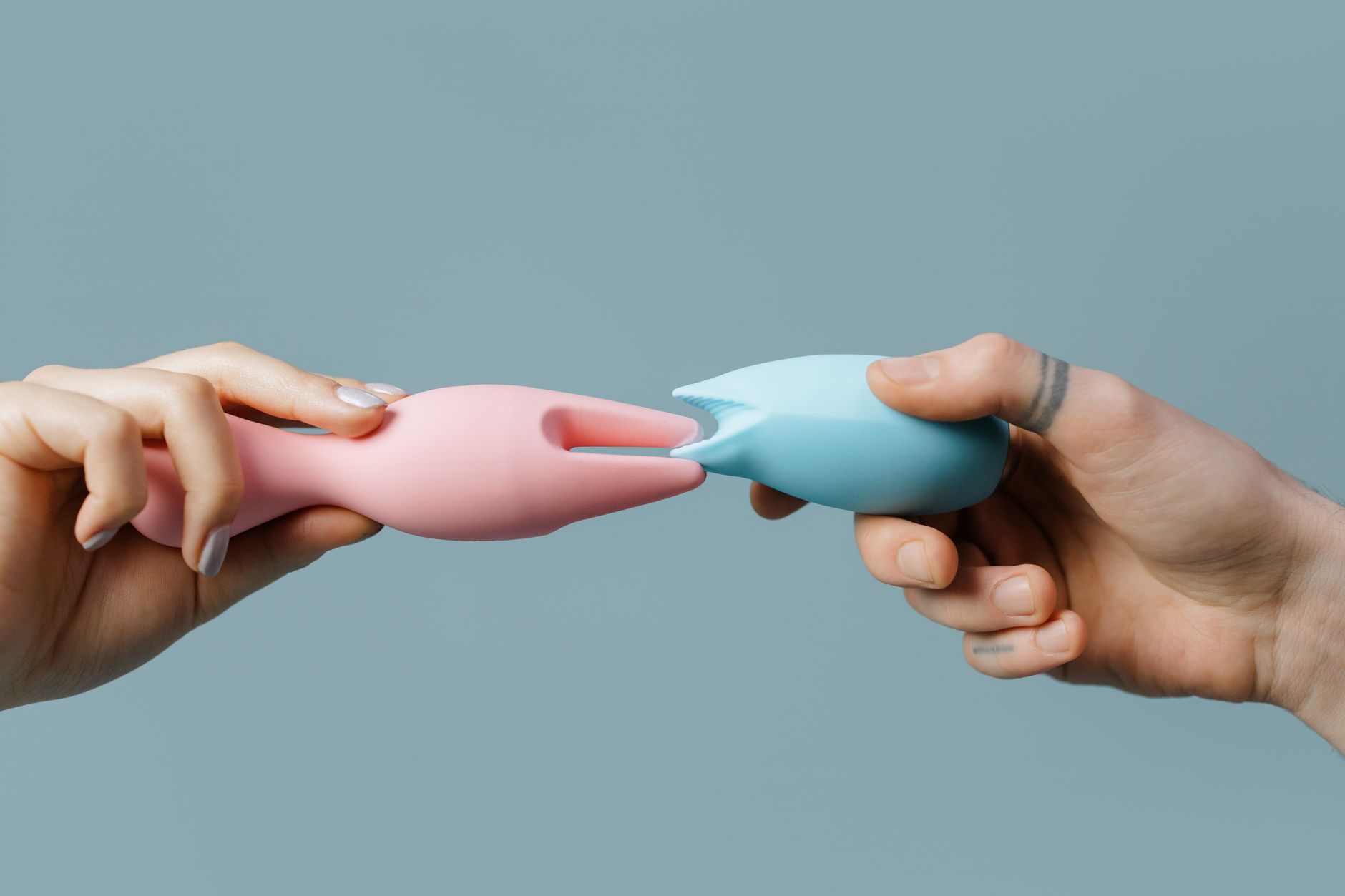
Here's the thing nobody tells you about switching toys
Moving from a traditional vibrator to a lemon clitoral vibrator is not a simple upgrade. It's a completely different sensation, and that's either going to feel amazing or confusing depending on what you expect. I'm here to make sure it's the former.
The jump from a standard vibrator to suction-based stimulation is like going from a drum solo to a cello. Both are pleasure, but they're not the same pleasure. Your body needs a moment to understand what's happening, and that's normal.
Why lemon vibrators feel so different from traditional vibrators
Traditional vibrators buzz at your tissue. They work through repetitive micro-movements, and if you've used them for years, your nerve endings have learned exactly what to expect. A lemon clitoral vibrator (or any air-suction device) doesn't buzz at all. Instead, it creates a gentle pulling sensation that feels more like a mouth or fingertip than a buzzing wand.
The mechanism is different, which means the nerve stimulation is different. Where a traditional vibrator hits shallow nerve endings with rapid repetition, a lemon vibrator engages deeper nerve clusters through rhythmic suction. That shift can feel strange for the first few sessions, even if it's ultimately more pleasurable.
Honestly, the first time feels like adjustment. The second time feels like possibility. By the fifth time, many people report it's their new favorite thing.
What changes when you make the switch
Three concrete things shift when you move to a lemon clitoral vibrator or similar suction device.
Your warmup timeline gets longer. Suction works best when your tissue is already slightly engorged. With a traditional vibrator, you could jump in and feel pleasure within seconds. With a lemon vibrator, you benefit from 10 to 15 minutes of foreplay first. Your body preps itself naturally, and then the suction has much more to work with.
Your intensity preferences might flip. If you've been using high-vibration traditional vibrators, you'll likely find that even mid-range suction on a lemon clitoral vibrator feels more intense. This is not because you're damaged or losing sensation. It's because suction engages tissue differently. Start at pattern one, spend time there, and move up slowly. This is where patience pays off.
The orgasm shape changes. Traditional vibrator orgasms often feel like a peak. You build, you crest, you release. Suction orgasms tend to feel more rolling or wavelike. Some people describe them as full-body instead of localized. Some experience multiple smaller waves instead of one big one. None of these is better or worse, but they're worth knowing about in advance.
The actual transition timeline
If you're switching from years of traditional vibrator use, expect three phases.
Week one: The confusion phase. You'll use your new lemon vibrator and think something's wrong. Nothing is wrong. Your brain is just processing a new input. Use it once, maybe twice. Keep it short. This phase is about novelty, not orgasm.
Weeks two to three: The discovery phase. By now your nervous system understands what suction feels like. You're starting to figure out where to place it, how much pressure helps, what patterns you prefer. Orgasms might happen, might not. That's fine. The goal is exploration, not performance.
Week four and beyond: The integration phase. This is when most people either realize suction isn't for them (totally valid) or fall deeply into it. If you're in the second camp, you've probably already figured out your favorite patterns and settings. Your body has adapted. Pleasure starts to flow naturally.
This timeline is rough. Some people sync with suction immediately. Others take longer. Both are normal.
How to actually make the transition smooth
Four practical steps that help almost everyone.
Step one: Don't compare. Your old vibrator is great. Your new lemon clitoral vibrator will be different, not better or worse. Let them be two separate tools with two separate jobs. The second you start thinking "this should feel like my old vibrator," you've already lost the plot.
Step two: Start solo. If you have a partner, your first few times with a lemon vibrator should be alone. This is not romantic. This is practical. You need space to figure out angles, pressure, what works without anyone watching or waiting. Once you know your own body's preference, then you bring it to partnered sex.
Step three: Budget time. Don't use a lemon vibrator when you're in a rush. Set aside 30 minutes where you can explore without a deadline. The first five minutes is always adjustment. The real experience starts around minute ten. When you're rushing, you cut yourself off before anything happens.
Step four: Lubrication matters more. Water-based lube is your friend here. It creates a better seal between the device and your tissue, which makes the suction work properly. It also feels better. Don't skip this step thinking you don't need it.
When the transition isn't working
Sometimes a lemon clitoral vibrator just isn't your thing, and that's completely fine. Not everyone vibes with suction, and that's not a failure.
But here's the difference between "this isn't for me" and "I haven't given it a fair shot." If you've used a lemon vibrator three times for ten minutes each and decided it's not working, you haven't actually tested it. Three real sessions of 20 to 30 minutes each is the minimum to know whether suction is your friend.
If you've done that and it still feels weird or uncomfortable, then yeah, you might be a traditional vibrator person. And that's the end of the story.
If you're experiencing pain, numbness, or irritation, stop and take a break. A few days of rest often resets your tissue sensitivity. If the problem persists, check your technique. You might be using too much pressure or focusing on the same spot for too long. If that's the case, read about how to use lemon clitoral vibrators correctly and try again.
The pleasure payoff once you've adapted
Most people who make the transition successfully describe lemon vibrators or similar suction devices as more nuanced than traditional vibrators. You can build sensation more deliberately. You can play with different patterns and find subtle variations that turn you on. The sensitivity is higher. The control is better.
There's also something about suction that feels more intimate, even when you're alone. It's a different kind of pleasure, and once your body learns to speak that language, it's hard to imagine going back.
You deserve the kind of pleasure that actually fits your body and your nervous system. Sometimes that's a traditional vibrator. Sometimes it's a lemon vibrator. The transition takes a few weeks, but the payoff is worth it.
FAQ: Common questions about switching to lemon vibrators
How long does it really take to adjust to a lemon vibrator?
Most people need three to four weeks of regular use to feel genuinely comfortable. Some sync immediately (lucky them). Others take six to eight weeks. The variable is usually how open your nervous system is to new sensations and how much time you give yourself to explore. Rushing the timeline makes it longer, not shorter.
Can I use a lemon vibrator if I've never had an orgasm with traditional vibrators?
Absolutely. In fact, sometimes people who've struggled with traditional vibrators find suction is exactly what their body needed. The sensation profile is so different that it can unlock pleasure even when other approaches haven't worked. Start with low expectations and curiosity instead.
What if suction makes me uncomfortable or numb?
Numberness usually means one of three things: you're using too much pressure, you're using it for too long at once, or your tissue needs more time to wake up. Try pulling back on intensity, using it for shorter sessions, and always warm up first. If discomfort appears (not just strangeness, but actual pain), stop and rest. You can also explore other techniques with a specialist.
Should I use my traditional vibrator less so my body adapts faster?
Not necessarily. Your nervous system doesn't get "tired" of one sensation because you're using another. If your traditional vibrator feels good, keep using it. Lemon vibrators aren't meant to replace. They're meant to expand. You can genuinely enjoy both, and many people do.
Is the transition easier if I use lemon vibrators with a partner?
Sometimes, but not always. Partner involvement can add pressure (literally and mentally). Solo exploration first usually means you're more relaxed and can focus on sensation instead of performance. That said, some people find that partnered touch plus the lemon vibrator feels amazing from day one. Test both approaches and see which fits you.
What if I'm on medication that affects sensation?
If you take antidepressants, antipsychotics, or anything that dulls sensation, the transition might take longer. Your nervous system is already working with a different baseline. Give yourself more time, use more lube, and be patient. The adaptation is still possible, it just might take eight weeks instead of four.
The truth about your transition
Switching from a traditional vibrator to a lemon clitoral vibrator is not about forgetting what you like. It's about expanding. Your body is smart. It will learn. The first few weeks feel strange because they're genuinely new, not because something's wrong.
Your pleasure matters. It deserves time, curiosity, and patience. If you're ready to make the switch, give yourself at least a month before you decide if lemon vibrators are for you. Most people who commit to that timeline never look back.