Here's what's actually happening
You used to get turned on in seconds. A touch, a text, a thought. Now it takes 10, 15, sometimes 20 minutes before your body feels anything. And before you assume something is wrong with you, know this: it's not. This is one of the most common shifts in pleasure that goes completely unspoken.
Arousal isn't a light switch you flip. It's a dimmer, and the dimmer gets slower over time. Age, stress, medications, hormonal shifts, and relationship patterns all affect how quickly that dimmer turns up. Understanding why it happens is half the battle. The other half is knowing exactly how to work with your body instead of against it.
Why arousal slows down in the first place
Several physiological and psychological factors layer into delayed arousal.
Hormonal changes. Estrogen, testosterone, and thyroid hormones all influence how quickly blood flows to genital tissue. As you move through your 40s and beyond, or if you're dealing with stress-related cortisol spikes, that cascade slows. This is normal.
Vaginal tissue changes. Even if hormones aren't shifting dramatically, the tissue itself becomes less reactive to light touch over time. Surface sensation actually decreases slightly, which means subtle stimulation that used to work no longer registers the same way.
Nervous system resilience. Chronic stress, anxiety, and accumulated life responsibility literally change how your nervous system responds to pleasure. Your brain is wired to prioritize threat detection over arousal. When you're running a household, managing work, or carrying emotional weight, that threat-detection mode is on high alert. Pleasure doesn't stand a chance against survival mode.
Medication side effects. Blood pressure meds, antihistamines, SSRIs, and even some birth control formulations slow arousal response. If you've recently started something new, that's worth investigating with your doctor.
Relationship autopilot. Long-term partners sometimes slip into predictable patterns that don't demand novelty or presence. Your brain, which is the most important pleasure organ, gets bored. Boredom kills arousal speed. This isn't a reflection on your partner. It's just what happens when anticipation disappears.
Why lemon vibrators actually help
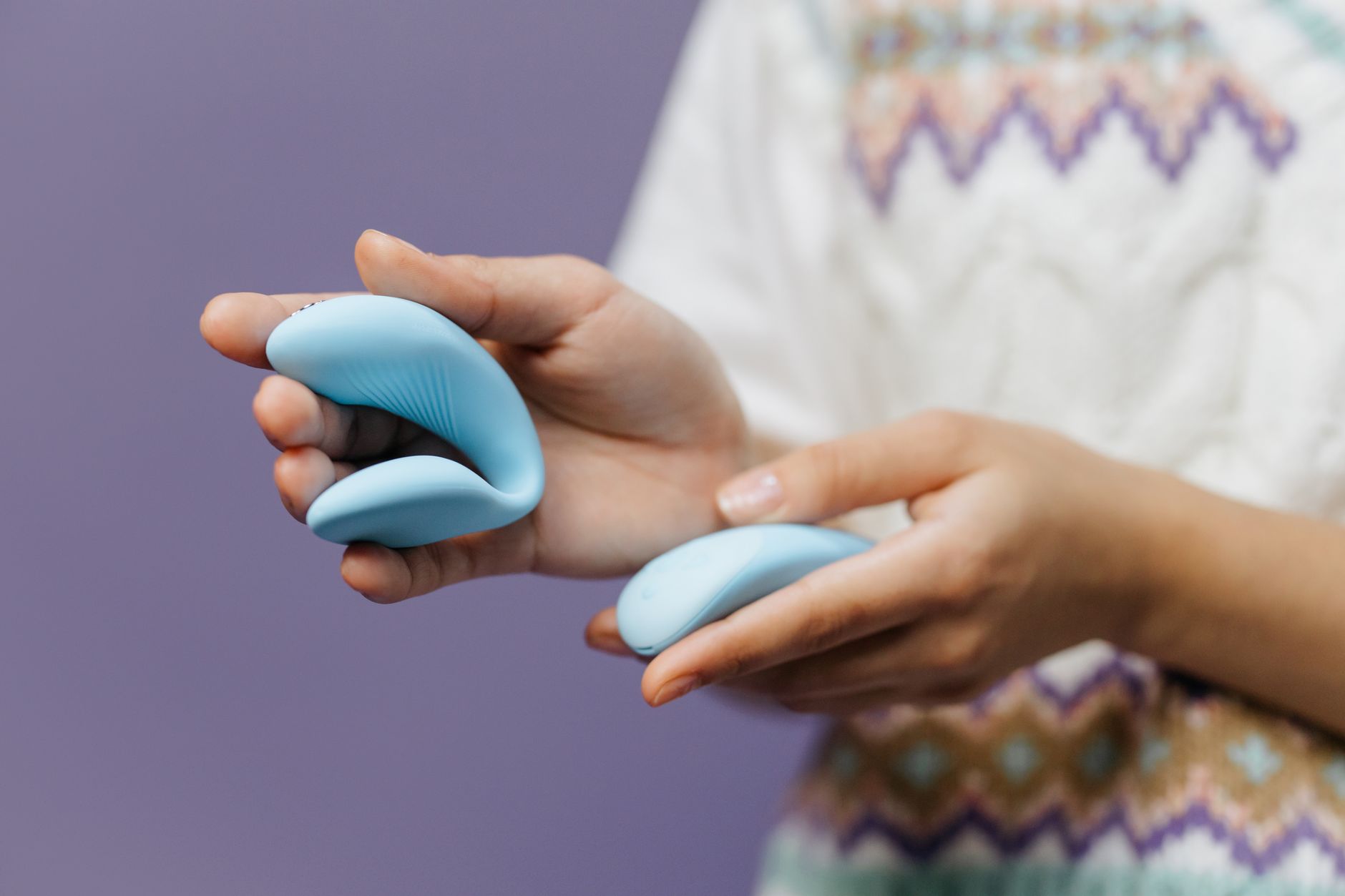
Lemon clitoral vibrators like the Lem work differently than traditional vibrators because of how they stimulate nerve endings. Instead of constant, repetitive vibration, air-suction devices create rhythmic pressure waves that mimic the kind of stimulation that builds arousal fastest.
Here's the mechanic: the clitoris has over 8,000 nerve endings concentrated in a small area. Light touching activates some of them. But intense, rhythmic pressure activates more of them simultaneously, which means your nervous system registers pleasure faster. Lemon vibrators compress and release, creating that rhythmic intensity without the numbing effect of constant buzzing.
For people with slow-building arousal, this pattern actually rewires the pace. Because you're getting consistent, recognizable feedback from the device, your body learns to anticipate the sensation. Anticipation is what creates arousal. Your nervous system basically learns "okay, this is coming, let's get ready."
How to actually use a lemon vibrator to speed up arousal
1. Start with solo exploration first. Before using any device with a partner, spend three to five solo sessions understanding how your body responds. Try it at different times of day, in different settings, with different types of foreplay. Solo time removes pressure and lets you focus on sensation without performing.
2. Give yourself permission to start dry. Many people assume they need lubrication from the beginning. You don't. Dry stimulation actually provides more friction and faster nerve activation. If you're using a device like the Lem with suction, wetness can actually reduce the seal. Start dry, enjoy the sensation, and add lubricant only if you want to extend the session or reduce sensitivity.
3. Begin on lower settings, then stay put. The temptation is to jump to the highest setting immediately. Instead, start on pattern 1 or 2 and stay there for 30 seconds to a minute. Your nervous system needs time to recognize the stimulus. Jumping settings too fast trains your body to need novelty instead of intensity.
4. Use a rhythm that matches your breath. Breathing intentionally slows your nervous system and primes it for arousal. Start deep breathing, and match the vibration pattern to that rhythm. Inhale for four counts, exhale for four counts, feel the vibration pulse match your exhale. This synchronization accelerates arousal because your brain is coordinating multiple signals at once.
5. Introduce it to partnered time once you're familiar. Once you know what works solo, bring it into foreplay with a partner. This is where lemon vibrators shine for slow-arousal bodies. Instead of waiting 15 minutes for your body to feel ready, you can reach strong arousal in 5 to 8 minutes. That means more time for other things, and less performance pressure.
The mental game is as important as the physical one
Here's what I see constantly in my practice: slow arousal becomes a source of shame. You worry your partner thinks you're not attracted to them. You start performing arousal you don't actually feel. That performance kills genuine arousal even faster.
Instead, frame it like this internally: your body takes time to transition from off-duty mode to pleasure mode. That's not broken. It's information. It means you need a few extra minutes of deliberate stimulation before intercourse, or a vibrator that creates faster nerve feedback, or more novelty in how things usually go.
Talk to your partner about this. Not in a heavy moment, but matter-of-factly. "My arousal is slower lately, and I've found that using a device like the Lem actually helps me get ready faster and feel more satisfied." Most partners respond with relief. Now you've solved a problem together instead of it being an unspoken tension.
When to check with a doctor
If arousal delay came on suddenly, or if it's paired with other changes (loss of desire entirely, pain, significant mood changes), mention it to your GP. Sometimes slow arousal signals an underlying hormonal shift or medication side effect that's worth investigating.
But in most cases, slow arousal is just a normal adaptation to aging, stress, or life changes. It's not a sign of lost sexuality. It's a sign that you need different tools or approaches.
Building anticipation back in
One more thing that matters hugely: anticipation. Slow arousal often happens alongside loss of anticipation in long-term relationships. You know what's going to happen, so your body doesn't build up to it.
Fix this by introducing novelty in small ways. Use a lemon vibrator at a different time of day. Try it in a different location. Wear it during foreplay instead of saving it for the finale. Change the sequence of things. Your brain responds to unpredictability by increasing dopamine, which directly speeds arousal.
Your slower arousal isn't a countdown timer running out. It's an invitation to explore what your body actually needs at this stage of your life. That's not a loss. That's information worth acting on.
Common questions about slow arousal and lemon vibrators
Does slow arousal mean I'm losing attraction to my partner?
Not necessarily. Slow arousal happens to people in new relationships too. It's tied to stress, hormones, medications, and nervous system state more than attraction. If you feel desire when you're relaxed, but your body is slow to respond physically, that's different from loss of attraction. Pay attention to the distinction.
Can I use a lemon vibrator if I'm on antidepressants?
Yes. In fact, many people find lemon clitoral vibrators particularly helpful if SSRIs have slowed their arousal. The more intense stimulation pattern helps bypass some of the numbing effects. Start gently and go slowly, but don't avoid it. See our full post on how lemon vibrators help when you feel numb after antidepressants for specific strategies.
How long before arousal actually speeds up?
Most people feel a noticeable difference within three to five uses. Your nervous system learns quickly when it's getting consistent, intense feedback. You're not rewiring anything major. You're just reminding your body how to respond.
Is it normal for arousal to take 15 to 20 minutes at my age?
Completely. After 40, 15 to 20 minutes is common without stimulation. With deliberate foreplay or a device, most people get to strong arousal in 8 to 12 minutes. If you're taking longer, stress or medication is probably the culprit. Check in with yourself about both.
Should I feel like I'm "failing" if I need a vibrator now when I didn't before?
No. A lemon vibrator is a tool, like everything else. Your body changed. Your needs changed. Tools change with you. Using one is adaptation, not failure. It's actually smarter than staying stuck waiting for your body to work the way it used to.
Can my partner help speed up my arousal without a device?
Yes, but it takes intentionality. Have your partner focus on sustained pressure rather than light touch. Longer foreplay sessions matter more than technique. And novelty helps. But honestly, a device like the Lem often gets you there faster than hands or a partner alone, and there's no shame in that. Check out how to use lemon vibrators for partnered foreplay when neither of you has experience for ways to make it a shared experience.
The bottom line
Slow arousal isn't a broken system. It's a nervous system adapting to stress, age, hormones, and life. Lemon vibrators help because they create the kind of intense, rhythmic stimulation that builds arousal faster than most alternatives. They also remove pressure from both you and a partner because now you have an active solution instead of a silent frustration.
Your arousal might take longer now. But with the right tools and approach, it can also feel stronger, more intentional, and more satisfying than it ever did on autopilot. That's worth the extra five minutes. Reach out if you want personalized guidance on finding the right approach for your body. We're here to help.