When sex becomes a checkbox instead of a choice
Let's be real. At some point, for a lot of people in long-term relationships, sex stops feeling like something you want and starts feeling like something you owe. It's not that your partner is demanding it. It's not that you don't care. It's that somewhere along the way, your body stopped lighting up at the thought of it. Instead, you feel a small knot of dread or numbness when you know it's coming.
That feeling has a name in relationship therapy. We call it "obligatory desire," and it's wildly more common than anyone admits. And here's the part no one tells you: the solution isn't to have more sex with your partner. It's to have more sex with yourself.
Why this happens in the first place
Obligatory sex usually doesn't arrive because your partner is bad in bed or because you've fallen out of love. It shows up because somewhere in the relationship, you learned to disconnect your own pleasure from sex. Maybe you were managing your partner's needs so carefully that you forgot to ask what yours were. Maybe you stopped advocating for what felt good. Maybe life got loud enough that you lost track of your own body entirely.
Over time, sex becomes less about pleasure and more about maintenance. And maintenance sex feels like laundry. Your brain stops sending the "this is good" signals. Arousal stalls. The anticipation that used to build before intimacy just. Doesn't. Happen.
The worst part? Most people assume this means they're broken, or that the relationship is broken. Neither is usually true. What's broken is the feedback loop between pleasure and wanting. You stopped experiencing pleasure, so you stopped wanting it. Simple cause and effect.
Solo pleasure as the real reset button
Here's what I recommend to almost every client dealing with obligatory sex: spend time with yourself first. Not as punishment for your partner or as a power play. Not as couples therapy homework. Just you, solo, relearning what your body actually wants when no one else is watching.
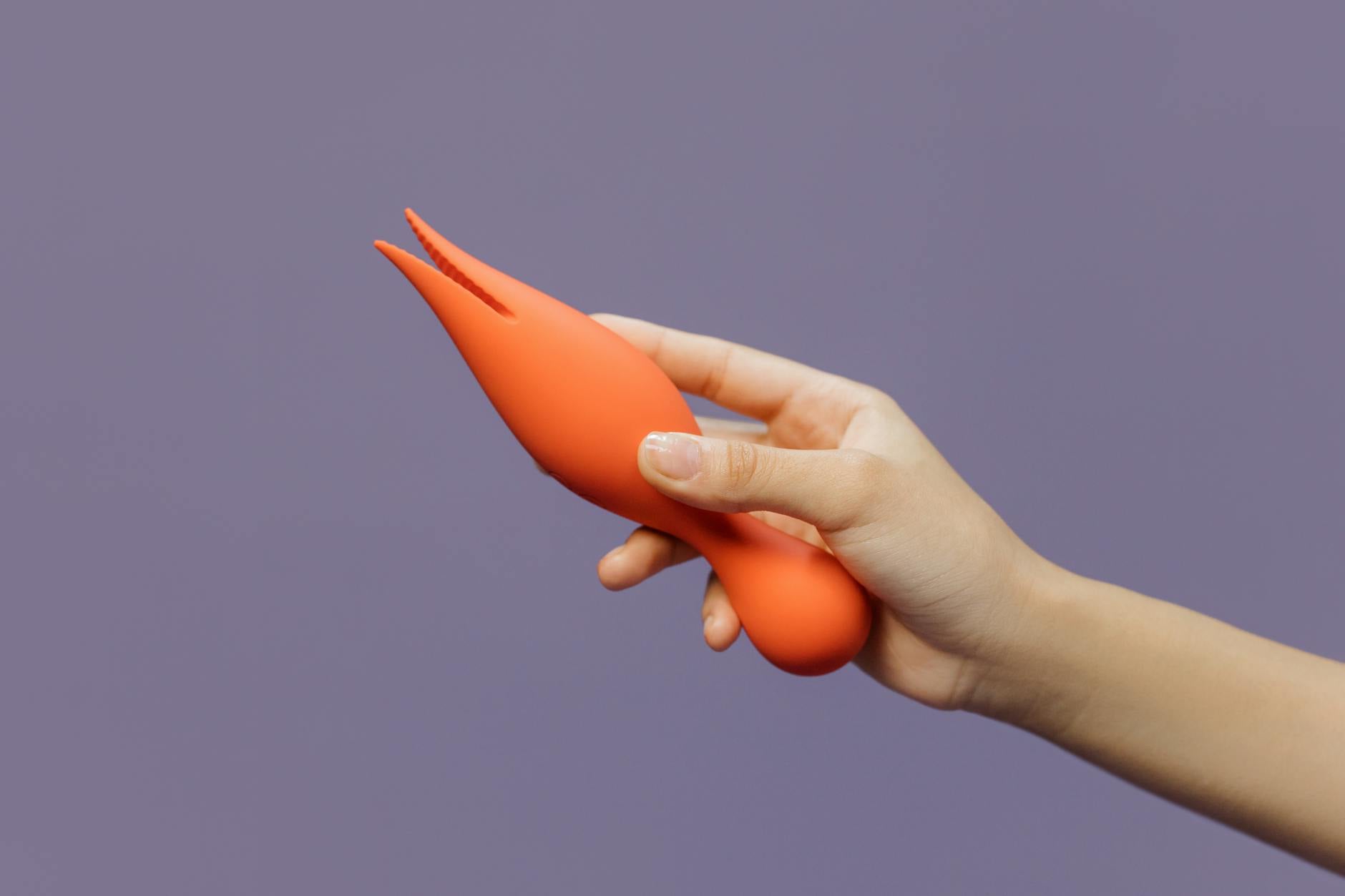
A clitoral vibrator like the Lemon creates a specific kind of focus. The suction pattern works on the nerves without the pressure of penetration or the performance anxiety of a partner watching. You're not managing anyone else's pace or rhythm. You're not wondering if you're taking too long. You're just learning.
When you use a lemon vibrator solo, you're doing something radical: you're reminding your nervous system that pleasure is still available to you. Not in a relationship context. Not in a performance context. Just you, in your own time, rediscovering sensation.
Most of my clients report that after two or three weeks of regular solo use, something shifts. The knot in their chest relaxes. They start noticing attraction again. Not because they're cheating or checking out of the relationship, but because they've rebooted the pleasure part of their brain.
How to actually do this without feeling weird
First: schedule it. Not in a clinical way, but real scheduling. "Tuesday night after I shower" is different from "whenever I remember." Your nervous system is better at relaxing when it knows what's coming.
Second: create a real boundary. This time is not for productivity. It's not for thinking about your relationship or what you owe your partner. It's not for scrolling through your phone. You're doing this the same way you'd protect time for a workout or therapy. It's non-negotiable.
Third: use the Lemon on the lowest setting. You're not chasing an orgasm here, especially at first. You're just noticing what sensations feel good. What patterns make your body respond. What actually turns you on when there's no pressure.
Start with external stimulation only. Spend time on your outer labia, your clitoral hood, the areas that don't feel like "performance." Many people who've experienced obligatory sex need to rebuild a relationship with pleasure from the outside in. Rush the internal stuff, and you're just recreating the pressure you already feel.
The phase where it feels awkward (and why that's normal)
I need to name this directly: some people feel guilt or shame when they start using lemon vibrators after getting stuck in obligatory sex patterns. Your brain might tell you this is cheating or selfish. It isn't.
What you're doing is the opposite of selfish. You're repairing your own nervous system so you can show up more genuinely in your relationship. You can't give pleasure you don't have access to yourself.
If the guilt is really loud, it might be worth talking to a therapist, especially one trained in couples work. Sometimes obligatory sex patterns come with deeper stories about what you're allowed to want or take up space for. Those stories don't disappear just because you get a vibrator. But they do soften when you start practicing a different relationship with your own body.
When orgasm returns, pleasure hasn't disappeared
One thing that often surprises people: after a few weeks of solo exploration, orgasms usually come back. Faster. Easier. Sometimes for the first time in years.
That's not magic. That's just what happens when your nervous system stops being trapped in obligation mode. When you give yourself permission to feel good without managing anyone else's experience, your body remembers how to respond.
Many people then find that they actually want to share that sensation with their partner again. Not because they're obligated. Because it's good. And there's a massive difference between "I'm having sex because I'm supposed to" and "I'm having sex because I want to feel that again."
The conversation to have with your partner (and when)
Here's the thing: you don't have to tell your partner you're using a clitoral vibrator solo right now. Your self-care time is yours. If you want privacy, take it.
But if you're in a relationship where you want to stay, eventually you will need to talk about what's actually happening. Not while you're in bed. Not during conflict. But at a quiet moment when you can say something like: "I realized I lost touch with my own pleasure somewhere. I'm spending some time reconnecting with my body so I can actually want intimacy again. I want to rebuild that with you, but I need to start with myself."
A partner worth staying with will get that. They might not fully understand it, but they'll get that you're trying to fix something real.
If the obligatory sex pattern is being driven by a bigger issue in the relationship, this solo work is still valuable. It'll give you clarity about what you actually want and need. Sometimes that means you reconnect with your partner. Sometimes it means you realize you need something different. Either way, you're making a choice from a place of knowing your own pleasure, not from a place of obligation.
The lemon vibrator as a tool, not a replacement
I want to be clear: a clitoral vibrator isn't going to fix a broken relationship. If you're in a relationship where you're being pressured, coerced, or genuinely unsafe, a vibrator is a distraction, not a solution. Talk to someone.
But if you're in a relationship that's mostly good and you've just lost the pleasure part of the connection, reclaiming your own desire solo is often the fastest way back. A lemon vibrator, with its focused suction and quiet operation, is particularly good for this because it gets you results without a lot of guesswork. You're not trying different angles or speeds. The sensation is consistent and reliable.
Use it on the settings that feel best to you. There's no "right way." Your pleasure is the only metric that matters.
The bigger picture: pleasure as a form of resistance
Here's something I think about a lot: the moment you stopped wanting sex was probably the moment you stopped believing your pleasure mattered. Somewhere you internalized that your job was to manage everyone else's needs, and your own desire was secondary.
Reclaiming pleasure, even solo, even with a vibrator, is radical. It's you deciding that you deserve to feel good. That your body's signals matter. That wanting something for yourself isn't selfish. That you get to take up space in your own life.
A lot of the time, when people start using lemon vibrators and rediscovering solo pleasure, their relationships improve not because the vibrator is magic, but because the person using it has decided to stop abandoning themselves. They've decided their pleasure matters. And that changes everything.
FAQ: Pleasure, obligatory sex, and clitoral vibrators
Is it normal to feel numb during sex with a long-term partner?
Completely. Numbness or disconnect during partnered sex usually shows up after prolonged periods of obligatory sex or when you've been managing your partner's pleasure at the expense of your own. Your nervous system goes into a kind of protective shutdown. It's not a sign that you don't love them. It's a sign that something in the dynamic needs to shift. Solo exploration with a vibrator can help reset that nervous system response.
Will my partner feel threatened if I use a lemon vibrator alone?
Some partners will, especially if you haven't talked about it. Others won't care at all. The difference usually comes down to how secure they feel in the relationship already. If obligatory sex is your main dynamic, there might be underlying insecurity or control issues that are bigger than the vibrator. If the relationship is fundamentally solid, most partners actually feel relieved when their partner starts taking responsibility for their own pleasure instead of treating sex as a chore they're both trying to get through.
How long until I feel interested in sex again after using a clitoral vibrator regularly?
Most of my clients report noticing a shift in arousal within two to three weeks of consistent solo use. Some feel it sooner. It depends on how long the obligatory pattern has been running and what else is going on in your life. But the timeline is usually measured in weeks, not months. Your nervous system wants to feel good. You're just giving it permission again.
Can I use a lemon vibrator if I still want to stay in my relationship but I'm not attracted to my partner right now?
Yes. In fact, that's exactly what solo pleasure work is for. Attraction often comes back when the pleasure pathways light up again. You're not choosing a vibrator over your partner. You're repairing something in yourself so you have more to bring to the relationship. Once your nervous system remembers what pleasure feels like, you might rediscover attraction. Or you might realize the relationship isn't serving you. Either way, you're making that decision from clarity, not numbness.
What if using a vibrator makes obligatory sex feel even worse?
That's actually important information. If touching yourself feels good but touching your partner (or being touched by them) feels worse, that's a sign that something in the dynamic itself needs attention. This isn't a vibrator problem. This is a "the relationship structure isn't working for you" problem. A therapist trained in couples work can help you figure out what's really happening and whether it's fixable.
Is it okay to use a lemon vibrator and still be working on my relationship?
Absolutely. These aren't either-or situations. You can be using a clitoral vibrator to reconnect with your own pleasure AND be in couples therapy AND trying to rebuild your relationship. In fact, most therapists recommend this exact combination. You're taking care of yourself, you're getting professional support for the relationship, and you're actively trying to shift the dynamic. That's not giving up. That's actually doing the work.
Your pleasure matters more than the obligation
The moment you decide that your pleasure deserves protection and attention, everything shifts. Not immediately. Not magically. But eventually. Your body starts sending signals again. Your nervous system relaxes. You remember that wanting something feels better than obligating yourself to something.
A lemon vibrator is just a tool. But it's a tool that says: your pleasure is worth your time. Your body's signals matter. You deserve to feel good. And that's never wasted. Not in a relationship. Not solo. Not ever.
If you're ready to explore this further or need support navigating relationship changes, we're here to help. Get in touch at the link below.