The strange gap between wanting sex and feeling ready for it
Anxiety doesn't always kill your libido outright. Sometimes it does something weirder. It disappears for months. Then one day, it just shows up again. Your body wants touch. Your mind is interested. And then immediately your nervous system asks: wait, is this safe? Am I really ready? What if something feels wrong?
That gap between "I want this" and "I feel safe doing this" is real, and it's not something you fix by forcing yourself through it. I've worked with dozens of couples where one partner's libido has returned after an anxious period, and almost every one of them has asked the same question: how do I ease back in without either disappointing my partner or retraumatizing myself?
The answer isn't complicated, but it does require permission to go slower than you think you should.
Why anxiety changes how your body responds to pleasure
When you've been in an anxious state for weeks or months, your nervous system has learned to stay vigilant. It's been your job to keep you safe. That vigilance doesn't switch off the moment your anxiety lifts. Your body is still in protective mode, even when the threat is gone.
This shows up as a stalled arousal response. You might feel desire, but when you try to act on it, your body doesn't cooperate the way it used to. You might notice you can't relax your pelvic floor. Or that you reach a certain level of arousal and then plateau. Or that sensation feels muted, distant.
This isn't brokenness. It's your nervous system slowly learning that pleasure is safe again. That takes time. And it takes the right conditions.
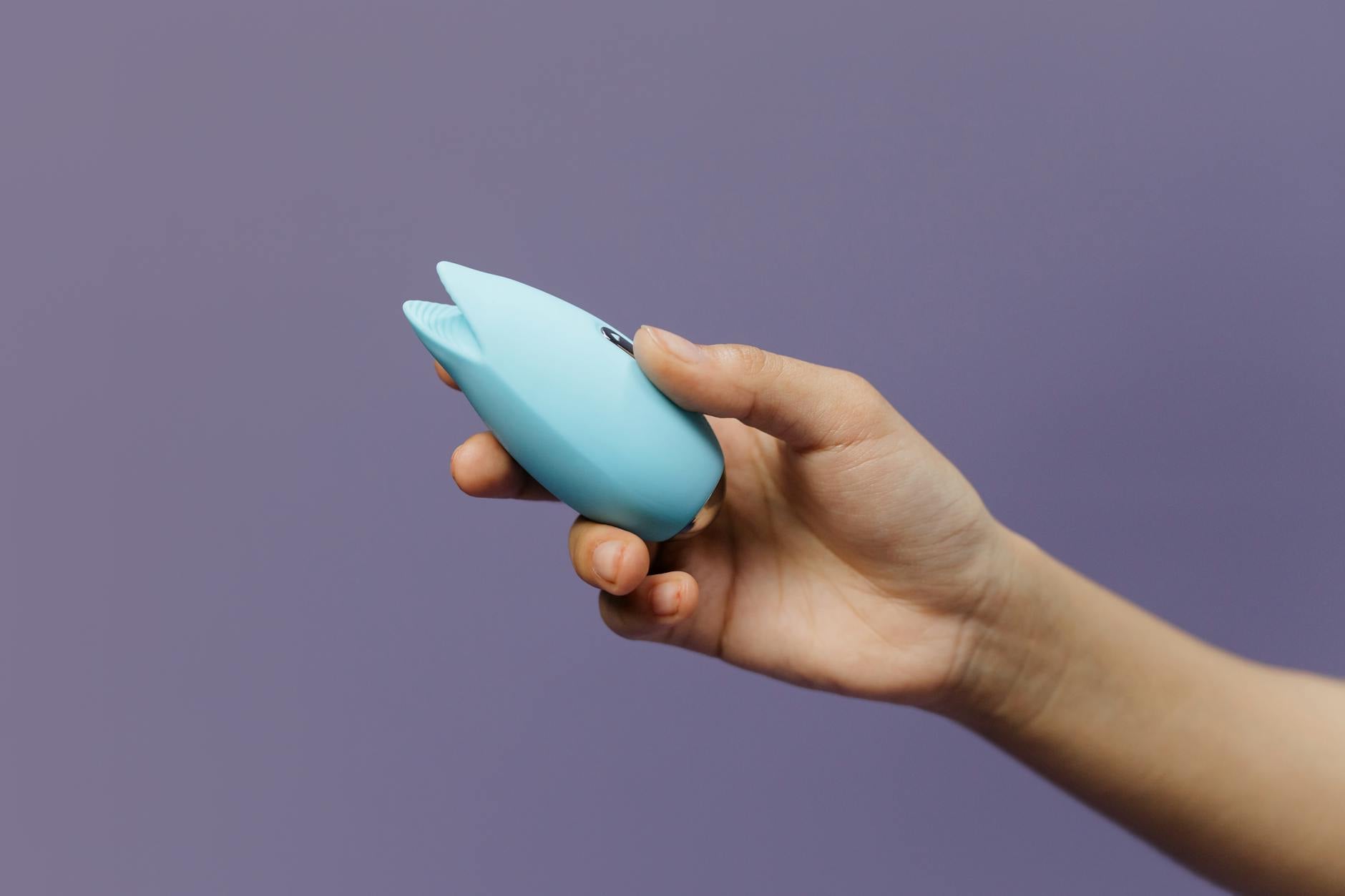
A clitoral vibrator like the Lemon can help because it bypasses some of the hesitation. The consistent, predictable stimulation tells your nervous system: this is manageable. This is not threatening. This is actually pleasant. Your body can start to relax when you're not working so hard to create arousal on your own.
Start with solo exploration, not partnered sex
This is the part where people often resist. You want to reconnect with your partner. That's understandable. But trying to rebuild your sexual confidence while managing someone else's presence, expectations, or pleasure is like learning to swim in a riptide.
Give yourself 2-4 weeks of solo time first. Alone with the Lemon, no partner waiting in the next room. No performance pressure. No one else's timeline but yours.
Here's what that looks like:
Pick a time when you're genuinely relaxed and can't be interrupted. Not squeezed into lunch break. Not while you're thinking about emails. Midday Saturday when your partner is out. Evening after everyone else is asleep. The time matters.
Start without the vibrator. Just lie down, breathe, notice what sensations come up. If nothing happens for 20 minutes, that's fine. You're retraining your body to anticipate pleasure without shame.
When you do bring the Lemon in, start on the lowest pattern. Don't go straight to what you "used to like." Your nervous system has to relearn what pleasure feels like. Let it surprise you.
Many people find that after anxiety, their sensitivity has shifted. What used to feel electric might feel overwhelming now. Or what felt too gentle before feels perfect. That's not wrong. That's just your nervous system settling.
Build back into partnered pleasure carefully
Once you've had a few solo sessions where you felt genuinely relaxed and present, you can introduce your partner. But this is not the time to go back to "normal." Normal is what stopped working. You're building something new.
Talk to your partner about what you're learning in your solo time. Not in detail. The vibe is: "I want to come back to sex with you. It's going to feel a little different for me right now, and I need you to follow my lead." If your partner has anxiety too, they probably already understand this. If they don't, that's a separate conversation worth having.
When you do bring the Lemon into partnered time, the goal isn't orgasm. The goal is for you to feel comfortable and present. Let your partner watch. Let them hold it if that feels good. Or keep it entirely in your hands while they're just close. The physical closeness is rebuilding trust with your body. The Lemon is just the tool.
Honor the nervous system's mixed signals
Something that catches people off guard is that you can feel aroused and anxious at the same time. They're not opposites. Your body can be interested in pleasure and your mind can simultaneously be going "what if we're making a mistake?" You don't have to choose between them. You can sit with both.
If you're mid-session with the Lemon and anxiety spikes, don't white-knuckle through it. Pause. Talk to your partner or yourself about what just happened. Sometimes naming it out loud is enough: "My nervous system just reminded me I'm still scared." Sometimes you need to stop and do something grounding instead. Hold ice. Feel the wall behind you. Ground your feet.
This isn't failure. It's information. Your body is telling you what it needs to feel safe. Listen to it.
The timeline for rebuilding is not linear
You won't wake up one day and be "back to normal." You'll have a great session with the Lemon and feel genuinely reconnected. Then three days later you'll have a session where anxiety shows up out of nowhere and you feel distant again. That's normal. That's the nervous system still learning.
Expect 6-12 weeks of slowly increasing comfort before you feel genuinely "back." And even then, you might be different than you were before. That's not a loss. That's just what healing looks like.
When to bring in additional support
If you're at three months of consistent solo and partnered exploration with the Lemon and arousal still feels stuck, or if anxiety is actually worsening during sex, talk to a therapist. Not because something is wrong with you, but because sometimes anxiety is connected to something deeper that needs professional attention. Trauma. Relationship dynamics. Ongoing health issues. A good therapist can help you untangle that.
Same goes if your partner is struggling with the pace of reconnection. Couples counseling can help both of you rebuild trust and understand what you each need.
FAQ
Can I use a lemon clitoral vibrator if I'm still having anxiety during sex?
Yes, absolutely. The Lemon can actually help by giving your nervous system something predictable and controllable to focus on. Start on the lowest pattern and go at your own pace. If anxiety spikes, pause without shame.
Should I tell my partner I'm using lemon vibrators while rebuilding my confidence?
It depends on your relationship and what feels true. Some people prefer privacy while they're rediscovering solo pleasure. Others feel more connected sharing the process. There's no right answer, only what feels safe to you.
How long does it typically take for libido to stabilize after anxiety?
It varies widely. Some people feel back to baseline in 4-6 weeks of consistent exploration. Others take 3-4 months. Your nervous system has its own timeline. Patience is part of the process.
Can lemon vibrators help if my anxiety is medication-related?
The Lemon won't fix medication side effects, but it can help you work around them by providing more direct stimulation. If your medication is actually dampening your libido, talk to your doctor about alternatives.
What if pleasure still feels numb even with the vibrator?
Numbness after anxiety is common and usually temporary. It often means you need even more time before jumping back into partnered sex. Keep exploring solo. Numbness usually resolves within a few more weeks of consistent, pressure-free exploration.
Is it normal to feel guilty about rebuilding pleasure after anxiety?
Completely normal. Anxiety often comes with shame. You might feel like you "wasted" time or like your partner had to wait. That's the anxiety talking. Rebuilding your relationship with your own body is not selfish. It's necessary.
You're not starting over. You're starting different.
The libido that comes back after anxiety isn't the same as the one that left. It's usually slower to build, more easily startled, more in need of safety and presence. That's not damage. That's just what happens when your nervous system learns to protect you and then slowly learns to trust pleasure again.
The Lemon works beautifully for this because it meets your body where it actually is. Not where you think it should be. Not where it was before. Where it is now. That consistency, that predictability, that sense of control. That's what helps your nervous system eventually relax enough to feel real pleasure again.
Start solo. Go slow. Honor the mixed signals. And give yourself permission to take as long as you need. Your body will thank you.
If you're still struggling with the emotional side of rebuilding intimacy after anxiety, reach out to us to talk through what you're experiencing. And for more on easing back into pleasure after emotional distance, check out how to ease back into sex after emotional distance in your relationship.