
How Lemon Vibrators Intensify Orgasms After Menopause
Let's be real. When estrogen drops, everything changes. Your skin feels thinner. Arousal takes longer to build. And orgasms sometimes feel like they're happening behind glass, like you're watching instead of feeling.
What nobody tells you: lemon vibrators often deliver the most intense orgasms post-menopausal bodies experience. Not because magic happens. Because the mechanics of suction work differently than traditional vibration on tissue that's shifted.
Here's what I've learned from working with hundreds of couples navigating this transition.
Why traditional vibrators lose their edge after menopause
Before menopause, your clitoral tissue is plump with estrogen. It's responsive to direct vibration. The nerves fire quickly. Orgasms build in a predictable arc.
After menopause, that tissue thins. Estrogen drops by 90 percent. The clitoris itself doesn't shrink, but the surrounding tissue does. Direct vibration can feel numbing or even uncomfortable on thinner, more sensitive skin.
This is where most people get stuck. They assume the problem is their body. They buy stronger vibrators, thinking intensity is the answer. But intensity on fragile tissue is just noise.
The physics of suction versus vibration
Here's the difference. Traditional vibrators move back and forth thousands of times per minute. On thin tissue, that's friction overload. The nerve endings get overwhelmed instead of stimulated.
Lemon clitoral vibrators work through gentle suction. They create a vacuum that draws the tissue upward and inward, stimulating the thousands of nerve endings concentrated in the clitoral body and glans. No abrasive friction. No numb spots. Just a wave of pressure that travels through the entire clitoral complex.
For post-menopausal bodies, this changes everything. Suction doesn't require the protective padding of estrogen-rich tissue. It actually works better when the tissue is thinner, because there's less barrier between the suction sensation and the nerve endings.
Why orgasm quality deepens with age and the right tool
I work with couples where one or both partners are over 50. A common pattern: women report that their first orgasm with a lemon vibrator is shockingly intense. Some describe it as "finding a pleasure button I forgot I had."
This isn't random. Three things converge:
First, your brain. After decades of sex, you know your body. You're less in your head. Anxiety about performance (your own or your partner's) often lifts after menopause. That mental clarity alone deepens arousal and orgasm.
Second, your nervous system recalibrates. Thinner tissue means nerves are closer to the surface. Suction stimulation, without the friction barrier, reaches those nerves more directly. Orgasms sometimes feel sharper, more localized, more intense.
Third, reduced expectations. Many post-menopausal people stopped expecting much. When pleasure arrives anyway, through the right device, it lands harder because you weren't bracing for disappointment.

Photo by Ihsan Adityawarman on Pexels
Orgasm patterns shift, and that's okay
Not every orgasm feels the same after menopause, and that's not a failure. Let me explain the patterns I see most.
Some people report fewer but longer orgasms. The buildup takes time (10-20 minutes instead of 5), but the release lasts longer and feels richer.
Others describe multiple waves instead of one peak. With lemon vibrators, they can sometimes hit a plateau, back off, and crest again. It's a different rhythm than younger years, but many people prefer it.
A subset experience what I call "routed" orgasms. The pleasure seems to travel from the clitoris through the pelvic floor into the lower belly. This happens partly because of pelvic floor changes with age and partly because suction-based stimulation engages more tissue than direct vibration alone.
The point: if your orgasm shape changed, your clitoral nerve endings didn't. The sensation just redistributed.
How to set yourself up for deeper intensity
I recommend four specific shifts for post-menopausal people using lemon clitoral vibrators:
Build arousal intentionally. This is not foreplay. This is the main event. Spend 10-15 minutes on sensation alone before introducing the device. Touch yourself. Let your partner touch you. Read something. The goal is to get arousal primed so when you use the lemon vibrator, you're already partly of the way there.
Start on the lowest setting. The Lem starts gentle for a reason. Your post-menopausal body will respond to lower suction intensities that would feel like nothing to your 35-year-old self. Don't chase the highest setting. Find the one that makes you gasp.
Angle toward the clitoral body, not just the glans. The glans is sensitive, yes. But the clitoral body extends up into the mons pubis. Repositioning the device slightly to cover more area often unlocks deeper sensation and more intense release.
Give yourself permission to take time. Orgasms sometimes take 15-25 minutes post-menopause. If you're running the clock in your head, you've already lost. Set aside time when you're not watching the minutes. Orgasms can't be rushed, and the more you surrender to the timeline, the faster they come.
The role of touch and connection
Here's something I see again and again in couples work: post-menopausal people who use lemon vibrators with a partner often report deeper intimacy, not just better orgasms.
Why? Because you can't hide with a suction device the way you can with vibration. The sensation is unique enough that it requires presence. Your partner can feel you respond. You can't fake it. You have to actually be there.
For long-term partners, this becomes an unexpected gift. Sex becomes honest in a way it hasn't been in years. The device becomes a translator between two aging bodies trying to stay connected.
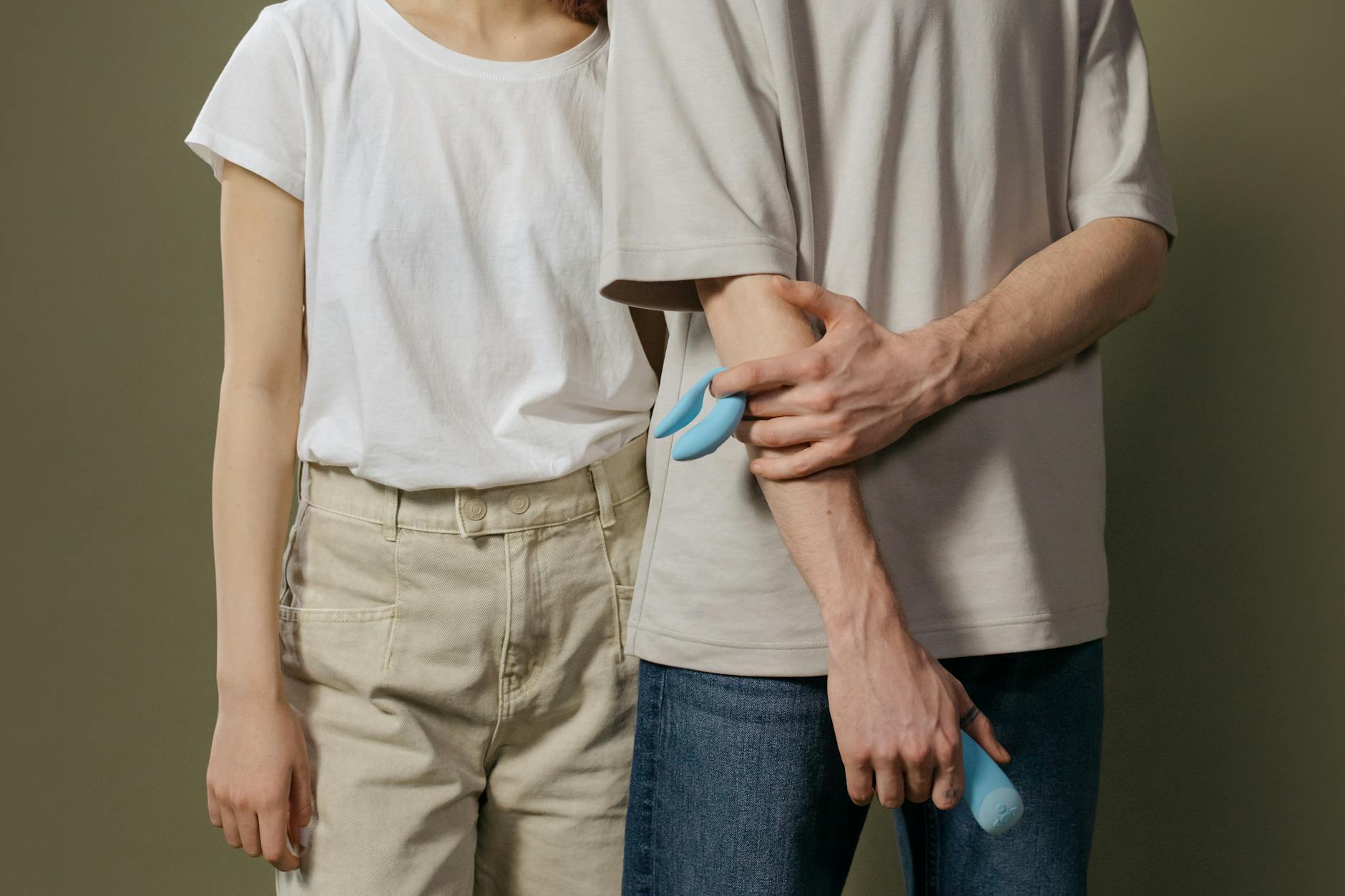
Photo by cottonbro studio on Pexels
When intensity returns but doesn't feel like it used to
Some post-menopausal people get their intensity back but feel unsettled. The orgasm is strong, but unfamiliar. It doesn't match the blueprint from 20 years ago.
This is completely normal. Your nervous system learned a specific pattern of pleasure. A new tool (a lemon clitoral vibrator) creates a new pattern. Give yourself three to five sessions to let your brain and body integrate the difference. By the sixth or seventh time, it starts to feel like your new normal.
I also see this: people who were never able to orgasm easily sometimes hit their first intense orgasm after menopause using a lemon suction vibrator. The combination of lower expectations, a different body, and the right device can unlock something that decades of trying couldn't crack.
FAQ: Orgasm Intensity and Lemon Vibrators After Menopause
Why do lemon vibrators feel stronger than my old vibrators after menopause?
Thinner post-menopausal tissue means less barrier between the suction sensation and your clitoral nerves. Suction also works fundamentally differently than vibration. It doesn't require the same level of tissue plumpness to be effective, which makes it particularly suited to bodies that have gone through hormonal shifts.
How long does it take to feel an intense orgasm with a lemon clitoral vibrator?
Most people report noticing something different in the first one to three uses. A truly intense, full-body orgasm usually emerges after four to seven sessions, once your nervous system adapts to the new sensation. Don't rush the timeline. Pleasure can't be forced.
Can you have multiple orgasms with a lemon vibrator after menopause?
Yes, but the pattern is usually different. Many post-menopausal people find that after one strong orgasm, they need a longer recovery period (5-10 minutes) before being able to reach another. The intensity of each individual orgasm often increases, even if the quantity decreases.
Is it normal for orgasms to feel different after I start using a lemon vibrator?
Completely. Your body is experiencing a different type of stimulation than it's used to. The sensation travels differently. The intensity might feel sharper or more focused. Over a few uses, your brain categorizes this as pleasure and stops comparing it to older patterns. The feeling becomes familiar and deeply satisfying.
What if I feel intense but don't actually orgasm right away with a lemon vibrator?
First, you might be experiencing a plateau. The sensation is building but hasn't crested yet. Back off, breathe, stay with it. Second, take more time. Post-menopausal orgasms sometimes need 20-30 minutes of continuous arousal, especially the first few times. Third, consider combining the device with mental focus or fantasy. Your brain is the most powerful sex organ, especially after 50.
Does using a lemon vibrator regularly improve orgasm intensity over time?
Yes. Regular use lets your nervous system become familiar with the sensation, which paradoxically makes each orgasm easier to access and often more intense. Think of it like learning a new language. The first conversation is halting. By month three, you're fluent and expressive.
The bottom line
Menopause didn't end your capacity for intense pleasure. It changed the access point. Lemon clitoral vibrators work with post-menopausal bodies instead of against them, often delivering orgasms that rival or exceed anything from earlier decades.
The key is patience, the right tool, and permission to explore what your body actually wants right now, not what it wanted at 35. That's not a compromise. That's an upgrade.
If you're curious about how this might work for you or your relationship, consider exploring a lemon suction vibrator without expectations. Your body will tell you what it needs. Listen to it.
Ready to explore? Learn more about lemon vibrators and how they work for your body, or reach out to us with questions. Your pleasure matters.