Here's what nobody tells you about aging tissue
Your vulva is not static. As estrogen and testosterone shift over time, the tissue gets thinner, more fragile, and weirdly enough, more sensitive to the wrong kind of touch. This doesn't mean you're broken. It means the vibrators that worked at 25 might feel like jackhammering at 45.
Lemon vibrators, also called air-suction or lemon clitoral vibrators, work on a completely different principle than traditional vibrators. Instead of friction and speed, they use gentle suction and pulsing waves. For changing bodies, this matters. A lot.
What happens to vulva tissue as you age
Estrogen is basically the architect of vulva anatomy. When levels drop (whether from age, hormonal shifts, medications, or medical treatments), tissue remodels. The clitoral glans gets smaller. The skin barrier weakens. Nerve endings stay put, but the tissue around them thins, which amplifies sensation in ways that can feel painful instead of pleasurable.
At the same time, your nervous system doesn't actually get less sensitive. In fact, some people become more sensitive as they age because there's less cushioning between nerve endings and the surface. The issue isn't numbness. It's that traditional vibrators create friction that the thinner tissue can't tolerate.
This is especially true if you've been through menopause, hormonal cancer treatment, or take medications that affect estrogen (birth control, certain antidepressants, hormone blockers). It's also true if you've had surgery or trauma in the area. Your vulva remembers.
Why lemon vibrators feel safer on vulnerable tissue
Traditional vibrators move back and forth against skin. Lemon vibrators use suction and rhythmic waves. Think of the difference between scratching your arm and gently pressing and releasing your arm. One creates friction. One creates a pulse.
When tissue is thin, friction irritates. You get redness, rawness, micro-tears you can't see. Suction-based stimulation bypasses this entirely. Instead of the vibrator moving against tissue, the tissue is gently drawn upward into a chamber where it experiences rhythmic pressure changes. The clitoris moves, but the external tissue stays relatively still.
For aging vulvas, this is the difference between pleasure and pain. Lemon clitoral vibrators let you feel full sensation without the abrasion.
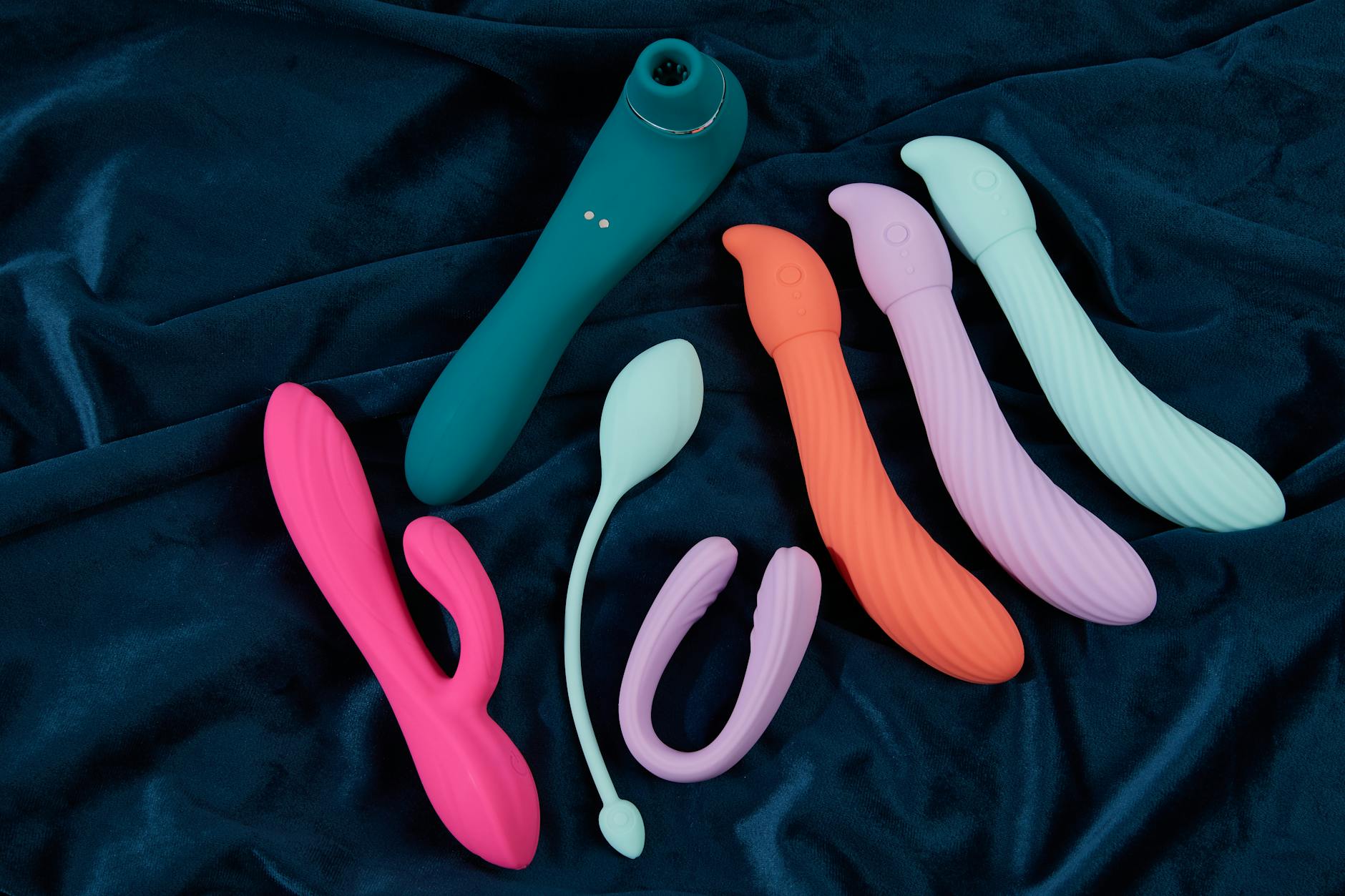
Photo by IFONNX Toys on Pexels
The sensitivity paradox: more sensation, less pain
This seems backwards, but it's real. When you switch from friction to suction, most people report that sensation actually intensifies. The clitoris is being stimulated more directly, more consistently. You feel more, not less. But it doesn't hurt.
This is because suction engages different nerve types than friction does. Your vulva has different nerve endings for pressure, temperature, and fine touch. Traditional vibrators hit mostly the friction-responsive nerves, which can be exhausting on thin tissue. Lemon vibrators activate pressure and rhythmic-response nerves, which feel different and usually better.
The result is the opposite of what you might expect from aging: sensitivity that feels good instead of overwhelming.
When tissue sensitivity gets worse
Not everyone's tissue responds the same way. Some people experience vulvodynia, a chronic pain condition that gets more common as estrogen drops. Some have lichen sclerosus or other inflammatory skin conditions. Some have scar tissue from previous trauma or medical procedures.
If you fall into any of these categories, lemon vibrators are still often a better choice than traditional vibrators, but you might also benefit from external stimulation only (never inserting the device). You might also want to pair any vibrator with a water-based lubricant, even though suction devices don't technically need it. Extra lubrication creates a barrier between the device and your skin, reducing friction and irritation further.
If pain during stimulation is new or worsening, talk to a gynecologist or pelvic floor therapist before trying anything new. Sometimes pain is a sign that topical treatment (like a low-dose estrogen cream) would help first.
How to use lemon vibrators on sensitive tissue
Start at the lowest setting. With a lemon suction vibrator, pattern 1 or 2 feels gentler than traditional vibrators on highest setting. You're not going to need maximum intensity anyway. Sensitive tissue often responds more dramatically to subtle stimulation.
Use generous lubrication. A water-based lubricant creates a smoother experience and helps the suction seal better. Plus, it adds a layer of moisture that aging tissue usually needs.
Warm up longer. Arousal increases blood flow and softens tissue. Spend 15-20 minutes on other kinds of touch before bringing the vibrator in.
Watch for redness afterward. If your vulva stays pink for more than 30 minutes after use, you went too intense. Dial it back next time. Sensitive tissue bruises easily from suction if you overdo it.
The role of lube and lubrication in sensitive aging
Lubricant is not a sign of failure. It's logistics. Aging vulvas often produce less natural lubrication because of lower estrogen. This isn't a failure of arousal. It's just what happens.
Water-based lubricants are ideal with suction vibrators because they rinse away cleanly and won't degrade the silicone material. Silicone-based lubes feel richer, but they can damage silicone toys over time.
Apply lube generously. More is genuinely better here. It protects tissue, improves sensation, and makes the suction feel smoother instead of sticky.
When to consider other tools alongside lemon vibrators
If your tissue is severely compromised (from radiation, multiple surgeries, or conditions like lichen sclerosus), you might get the most benefit from combining lemon vibrators with other approaches. Pelvic floor physical therapy can improve blood flow and tissue resilience. Topical estrogen creams can rebuild tissue thickness over weeks or months. Vaginal moisturizers (used regularly, not just during sex) make a measurable difference.
For some people, the combination of these approaches plus a lemon clitoral vibrator creates pleasure that was impossible before. Not "good for your age." Actual good. Satisfying. Worth the effort.
FAQ: Lemon vibrators and sensitive aging tissue
Can lemon vibrators cause tissue damage on sensitive vulvas?
Unless you're using it roughly or ignoring pain signals, no. The suction-based design is fundamentally gentler than friction-based vibrators. That said, tissue that's already inflamed or scarred needs a lighter touch. Start at the lowest setting, use plenty of lubricant, and stop immediately if anything hurts. Pain during sex is information, not something to push through.
How is a lemon vibrator different from a traditional vibrator for sensitive tissue?
Traditional vibrators use rapid back-and-forth motion against skin, which creates friction. Lemon suction vibrators gently draw tissue into a chamber and apply rhythmic pressure waves. One scenario causes abrasion on thin tissue. The other doesn't. That's the core difference. For aging bodies, this usually means lemon clitoral vibrators feel better.
Will a lemon vibrator work if I have vulvodynia?
Maybe. Some people with vulvodynia find that air-suction devices are one of the few tools that don't trigger pain. Others have pain with any kind of stimulation and need medical treatment first. If you have vulvodynia, talk to your pelvic floor therapist before trying any vibrator. They can guide you on whether it's the right time and which approach would be safest for your body.
Do I need to use lubricant with a lemon suction vibrator?
No, but most people find that lubrication improves the experience. It makes the seal feel smoother, adds moisture to tissue that might be dry, and gives an extra layer of protection to vulnerable skin. Use a water-based lubricant to avoid damaging the silicone.
How often is it safe to use a lemon vibrator on sensitive tissue?
As often as you want, as long as your tissue tolerates it. If you're new to suction stimulation or have very sensitive tissue, space sessions out (every other day) while your body adjusts. Once you know how your tissue responds, daily use is fine. Just listen to what your body tells you.
What if lemon vibrators still feel too intense?
Try external-only stimulation over clothing at first. Some suction vibrators are designed for this. You can also try the lowest setting for very short sessions (30 seconds at a time) to build tolerance. And honestly, if suction vibrators still don't work, that's okay too. Some bodies prefer other kinds of touch. A pelvic floor therapist or sex-positive gynecologist can help you find what works for you.
The bigger picture on aging and pleasure
Vulva tissue changes. This is fact, not tragedy. The tools we use need to change too. Lemon vibrators exist because aging bodies deserve pleasure that fits their actual anatomy, not pleasure designed for 25-year-old bodies.
Your sensitivity isn't weakness. It's information. And when you find a tool designed to work with your tissue instead of against it, pleasure gets better. Not different. Better.
If you want support navigating this transition, whether solo or with a partner, reach out. Everyone deserves pleasure that feels good in their actual body, right now.
Sources
- Vaya et al. (2018). "Estrogen receptor expression in vulvar vestibulitis." Journal of Sexual Medicine, 15(6).
- Kingsberg et al. (2018). "Postmenopausal sexual function and aging." Menopause, 25(12), 1331–1339.
- Burrows et al. (2017). "Air-pulse technology and clitoral sensation: mechanisms and safety." Sexual Medicine Reviews, 5(1).
- American College of Obstetricians and Gynecologists. (2018). "Genitourinary syndrome of menopause." Clinical practice guidelines.