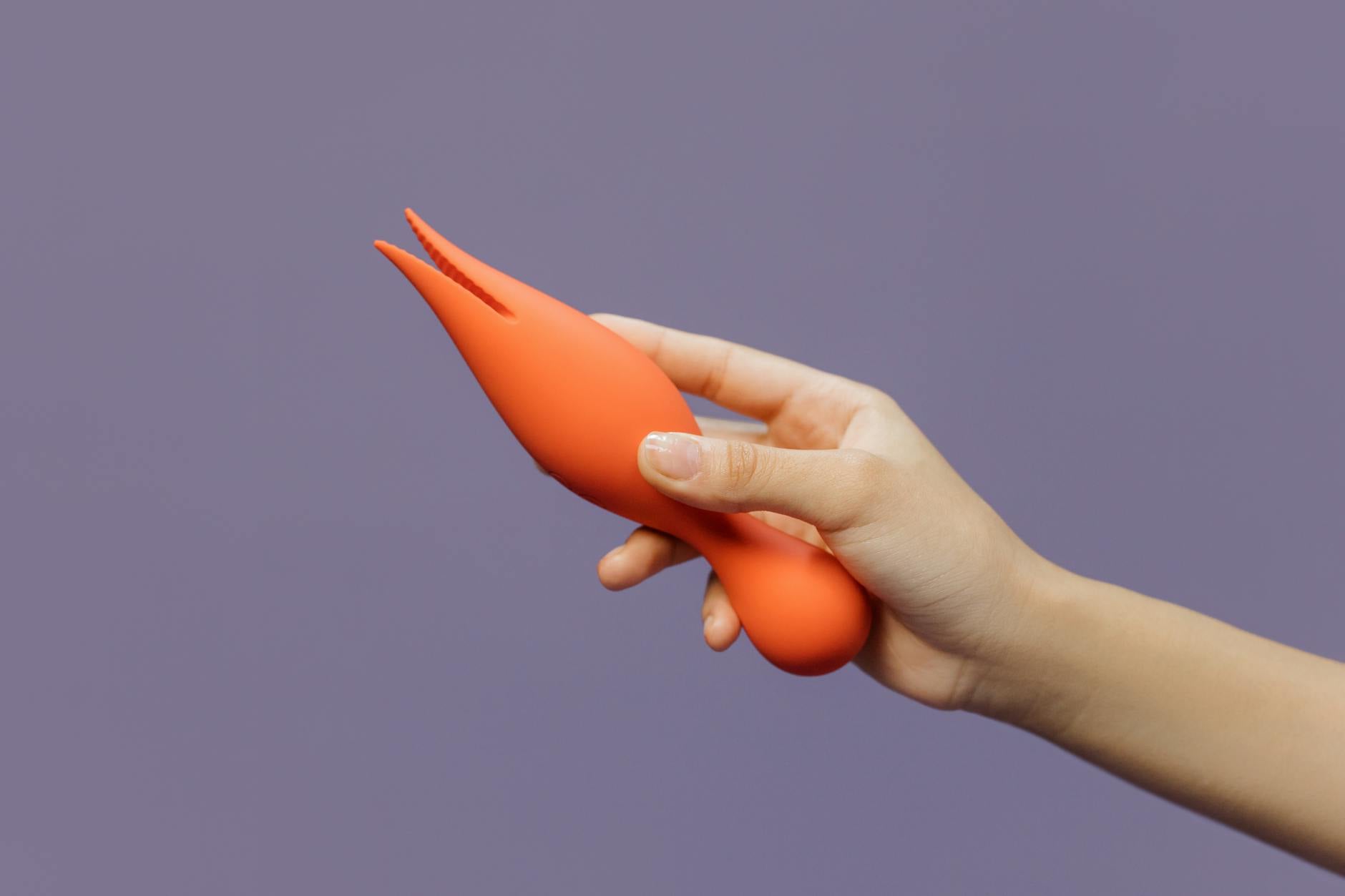
Why Lemon Clitoral Vibrators Feel Different After Pelvic Floor Therapy
Here's the thing nobody tells you about pelvic floor physical therapy: it doesn't just fix dysfunction. It rewires your nervous system's relationship with tension, pleasure, and release. That rewiring is why a lemon clitoral vibrator that felt good before therapy might feel completely different afterward. Not worse, not always better. Just different. And understanding that difference is actually crucial.
Most people start pelvic floor therapy because something hurts, or something isn't working. By the end, they've relearned how to consciously relax muscles they've been unconsciously gripping for years. That's profound. It changes how every sensation registers, how arousal builds, and most importantly, how your body actually receives stimulation.
What pelvic floor therapy actually teaches your body
Let's back up. Your pelvic floor is a network of muscles that support your bladder, bowel, and reproductive organs. When you're stressed, anxious, or you've spent decades doing Kegels obsessively (which is its own problem), those muscles get chronically tight. They grip. A good pelvic floor physical therapist's job is to teach you two things: how to consciously relax that grip, and how to actually feel what relaxation feels like.
This isn't abstract. During therapy, you're learning to identify the difference between tension and release in real time. You're practicing breath work. You're doing exercises that feel boring until they suddenly click, and you realize you've been holding tension in your pelvic floor the same way some people clench their jaw. The awareness sticks.
After a few weeks of consistent therapy, your nervous system has fundamentally changed its baseline. You're no longer approaching arousal and pleasure from a place of chronic tension.
Why that changes how clitoral vibrators feel
Clitoral vibrators, especially suction-based ones like the Lem, work by creating rhythmic pressure and release. They're not buzzing; they're stimulating the nerve endings around the clitoris through a gentler, more nuanced pattern of sensation.
When your pelvic floor has been tight, your body's natural response to stimulation is often to grip harder. It sounds counterintuitive, but tight muscles often respond to pleasure by tensing further. That tension actually narrows the range of sensation you can feel. You're more likely to clench through the experience instead of letting it build.
After pelvic floor therapy, you've learned to actively relax those muscles. So when you use a lemon vibrator, something shifts. You can feel the suction pattern more clearly because you're not fighting it with counterintuitive tension. The sensation spreads differently. Release happens faster. Orgasms, when they come, often feel less like a clench and more like a wave.
The specific ways sensation changes post-therapy
Most people report three concrete changes:
1. Clearer sensation. Before therapy, the pelvic floor muscles are so tight that they're basically numb. You feel vibration, sure, but it's muffled by tension. After therapy, the same vibrator feels sharper, more defined. Individual pulses register more precisely. It's not that the device is stronger. You're just not anesthetizing yourself with muscle tension anymore.
2. Faster arousal buildup. Tension and arousal are biochemically opposed. When your pelvic floor is relaxed, blood flows more freely to the area, and the nervous system isn't locked in protective mode. A lemon vibrator that took 10 minutes to bring you close before therapy might do it in 5 afterward. Your body's not fighting the stimulation.
3. Different orgasm texture. This one surprises people. Orgasms after pelvic floor therapy often feel less like a sudden explosion and more like rhythmic waves. That's because your pelvic floor can actually release in stages instead of one big clench. If you're using a device like the Lem that maintains consistent suction through climax, you might notice you can keep going, or that the pleasure extends further than it used to.
Why the Lem works particularly well post-therapy
The Lem is a lemon clitoral vibrator that uses air suction instead of direct vibration. That matters here because suction stimulation is fundamentally about pressure and release. It's asking your pelvic floor to participate in the rhythm.
Before pelvic floor therapy, when muscles are chronically tight, suction can feel uncomfortable. The pressure asks your body to release, but your pelvic floor is trained to grip. So there's a mismatch. After therapy, when you understand how to release on command, suction feels natural. The rhythm of the device aligns with what your nervous system has just learned to do.
It's one reason why so many people say a lemon vibrator feels "right" once they've done pelvic floor work. It's not magic. It's that your body and the device are finally speaking the same language.
The adjustment period and what to expect
Here's what usually happens: You finish therapy. You feel great. Sensation is clearer. Arousal is easier. You try the Lem or your favorite lemon clitoral vibrator and it feels... weird. Better, maybe, but also unfamiliar.
That's normal. Your nervous system has just updated its reference point for what pleasure feels like. You spent weeks retraining your pelvic floor to relax instead of grip. Now you're applying that new capacity to an experience your body remembers from the old, tense baseline. It takes a couple of sessions to recalibrate.
What helps: Start at lower intensity levels. You might not need as much power to get where you want to go. Take longer warm-up time. Your arousal might feel different, and that's okay. Pay attention to what your pelvic floor actually wants to do instead of what you think it should do.
When to adjust your technique
If you used to have a reliable pressure point or rhythm that worked, it might shift. Some people find they need lighter suction post-therapy. Others find they can handle much more. The key is that your pelvic floor is now listening to your brain instead of operating on autopilot.
You also might discover that you prefer longer sessions now that sensation is clearer. You're not racing through numbness to get somewhere. You're actually feeling the whole journey. That alone changes how you want to use any toy, but especially suction-based lemon sexual toys like the Lem.
Consider exploring different patterns if your device allows it. After therapy, you might find that specific rhythms that felt meh before now land completely differently.
The emotional shift that matters too
Pelvic floor therapy isn't just physical. Learning to relax your pelvic floor is a form of releasing control. For a lot of people (especially those with a history of anxiety, tension, or any kind of trauma), that can be emotionally significant. You're literally practicing permission. You're saying to your body: you can let go here. It's safe.
That psychological shift shows up in how you experience pleasure. You might find you're less in your head during arousal. You might notice you care less about performing or rushing. You might actually stay present.
And that presence, more than any physical change, transforms how lemon clitoral vibrators feel. They feel like part of a conversation with your own body instead of a tool you're using to override it.
When to loop in a professional
If post-therapy sensation feels numb or disconnected again after a few weeks, mention it at your next therapy session. Sometimes pelvic floor tension creeps back if you're not maintaining the relaxation habits. A quick refresher usually fixes it.
If orgasm feels muted or delayed in a way that didn't happen before, check in with your therapist too. Occasionally, certain therapy techniques can shift arousal temporarily. It usually corrects itself, but you want to know it's normal.
And if you're struggling to relax your pelvic floor during arousal even after therapy, that's not a failing. It's information. Some nervous systems need extra practice, or they need a different approach. Your therapist can help you troubleshoot.
FAQs
How long after pelvic floor therapy will lemon vibrators feel different?
Sensation typically shifts within one to two weeks of consistent therapy. By the end of a full course (usually 8-12 sessions), most people notice clear changes. Full nervous system recalibration usually takes 4-6 weeks of practice post-therapy.
Can pelvic floor therapy make vibrators feel worse?
Not worse, but sometimes unfamiliar. If sensation felt muted before therapy due to tension, clarity can feel intense at first. Start lower and slower, and your body will adjust within a few sessions.
Should I stop using my lemon clitoral vibrator during pelvic floor therapy?
No. In fact, using it during therapy (once your therapist gives the okay) can reinforce the relaxation work you're doing. Your therapist might suggest specific patterns or intensities, but the toy itself is useful.
Will a lemon sucker vibrator feel different than other toys post-therapy?
Suction-based devices like the Lem often feel more noticeably different than traditional vibrators because they engage the pelvic floor muscles more directly. You're likely to feel the change most acutely with air-pulse toys.
Is it normal to need less intensity on lemon vibrators after therapy?
Completely normal. Clearer sensation means lower intensity often goes further. You're not numbed out, so you need less force to register pleasure.
What if I do pelvic floor therapy but sensation still doesn't improve with lemon vibrators?
Sensation clarity isn't the only outcome of therapy. You might gain pain relief, better control, or emotional release without dramatic pleasure shifts. That's okay. If you're looking specifically for sensation enhancement, talk to your therapist about your goals.
The takeaway
Pelvic floor therapy is one of those interventions that sounds clinical and feels profound. You're not just fixing a dysfunction. You're teaching your nervous system a new way of receiving sensation. When you combine that retraining with a thoughtfully designed lemon clitoral vibrator like the Lem, something clicks. Not immediately, maybe. But within a few weeks, pleasure often feels richer, clearer, and more accessible than it did before.
If you're considering therapy or you're in the middle of it, know that changes to pleasure are real and normal. Your body isn't breaking. It's learning. Give yourself a few sessions to adjust to how that feels, and then actually pay attention. You might be surprised what you discover about your capacity for sensation once the grip loosens.
Want to explore more about how your body responds to different tools and techniques? Get in touch at /contact and let's talk about what's working for you right now.