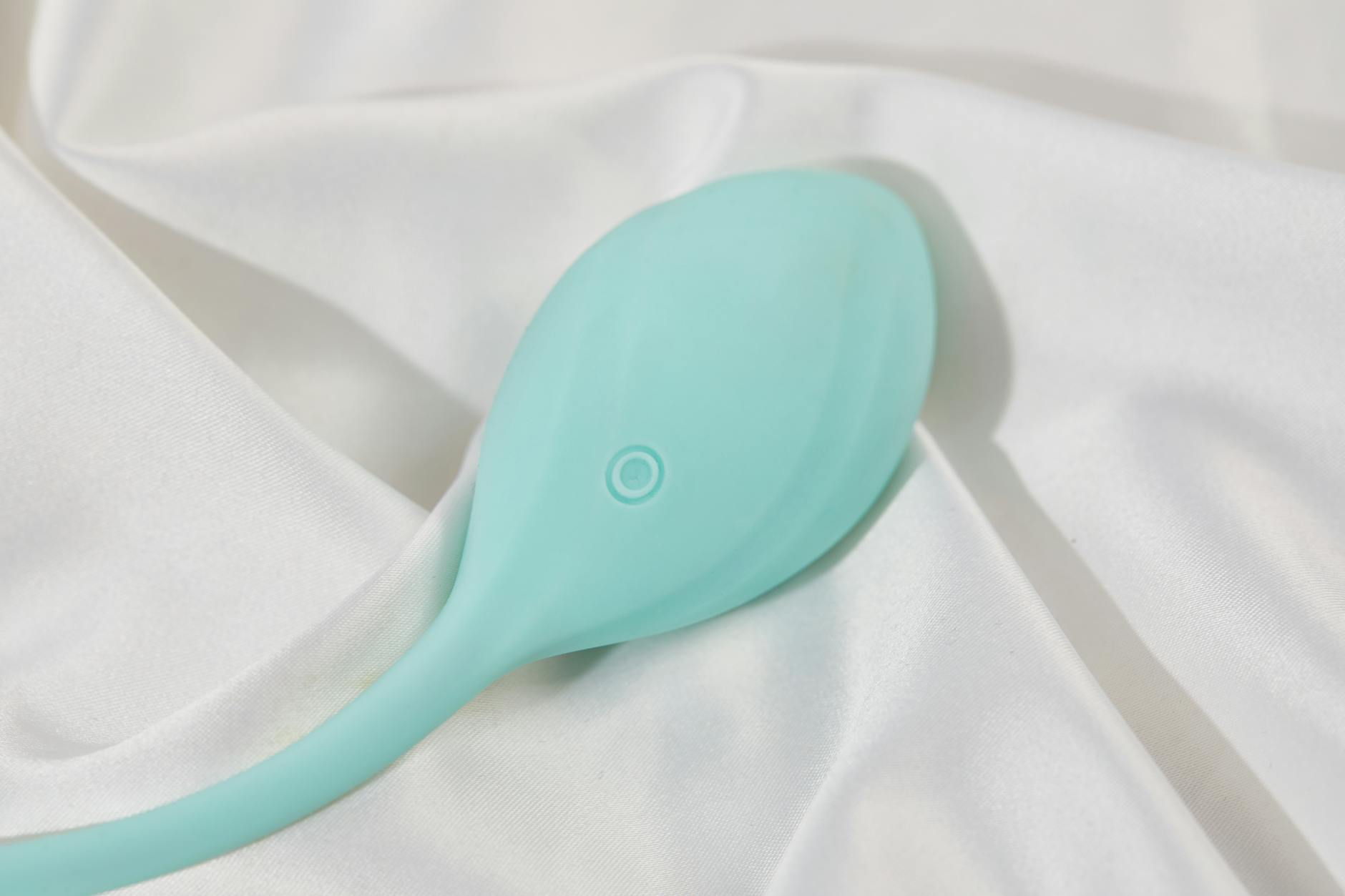
Let's be direct about antidepressants and sex
Antidepressants save lives. They also sometimes flatten sensation, delay orgasm, or make arousal feel muted. That's not a weakness on your part. It's chemistry. SSRIs and SNRIs work by increasing serotonin, which is great for mood but can dampen dopamine and norepinephrine pathways that fire up sexual response. The irony is brutal: you get your brain back, and your body feels a little quieter.
The good news is that this doesn't have to be permanent, and it doesn't mean pleasure is off the table. It just means you might need different tools. That's where lemon vibrators come in.
How SSRIs and SNRIs actually change sensation
Here's the mechanism. Serotonin isn't the neurotransmitter that drives desire. Dopamine and norepinephrine are. When SSRIs boost serotonin (and sometimes slightly suppress dopamine as a side effect), arousal often takes longer to build. Orgasm becomes harder to reach. The sensation itself can feel distant, like you're observing your own pleasure rather than feeling it directly.
For people with vulvas, this often shows up as reduced clitoral sensitivity. For those with penises, it's delayed ejaculation or erectile difficulty. Everyone's nervous system rewires a bit differently, but the pattern is consistent: the signal gets quieter.
Some medications are worse than others. Paroxetine (Paxil) and fluoxetine (Prozac) have higher rates of sexual side effects than, say, bupropion (Wellbutrin), which actually sometimes enhances arousal. If you're on a particularly libido-dampening med, it's worth asking your prescriber whether a switch is possible. Often it is.
Why lemon vibrators work better during this adjustment
Traditional vibrators rely on high-frequency vibration to trigger sensation. If your nerve sensitivity is already muted by medication, that vibration might feel buzzy but disconnected. You're chasing a sensation that's receding.
Lemon suction vibrators work differently. They use gentle, rhythmic pressure combined with vibration to stimulate the clitoral complex. Because they activate more of the nerve network at once rather than one narrow frequency, they're often more effective when sensation is dampened. You're not asking one nerve pathway to fire harder. You're engaging multiple pathways simultaneously.
Many people on antidepressants report that the Lem or similar lemon clitoral vibrators feel more rewarding because the suction creates a building sensation rather than an immediate buzz. There's a ramp. Your body can meet it halfway.
The emotional piece (which matters as much as the physical one)
Here's what often gets overlooked: medication-related sexual changes trigger shame and frustration. You're already managing a mental health condition. Now pleasure feels broken too. That emotional weight actually makes arousal harder.
In my practice, I work with people navigating exactly this. The shift happens when they stop trying to recapture what used to work and start exploring what works now. That's not settling. It's honest adaptation.
If you're partnered, this conversation matters. "My body's responding differently to stimulation" is not the same as "I'm not attracted to you." Keep them separate. Your partner needs to know the medication is the variable, not the relationship.
Practical adjustments that help most people
Three things I recommend consistently:
First, give yourself more warm-up time. If you used to need five minutes, budget fifteen. Arousal on antidepressants is slower but still possible. Don't mistake slow for broken.
Second, layer stimulation. Use lube (water-based works best with silicone toys). Add a partner, if you have one, for simultaneous internal and external sensation. The brain can register combined input more clearly than isolated input.
Third, experiment with pattern over intensity. The Lem has multiple patterns that combine suction and vibration rhythms. Some people find that switching patterns halfway through helps. Others discover that pattern three at low intensity builds sensation better than pattern seven cranked to maximum. You're not looking for the hardest setting. You're looking for the pattern that gets you to the tipping point.
When to loop in your doctor (and how)
If sexual side effects are severe enough that they're affecting your wellbeing, that's a conversation to have. Your prescriber has options. Dose reduction sometimes helps without sacrificing mood benefit. Adding a second medication (like bupropion or buspirone) can offset sexual side effects. Timing adjustment (taking your dose right after orgasm instead of before) occasionally works. Switching medications is also fair game.
The key is being specific. "Sex doesn't feel good" is vague. "Orgasm is taking twenty-five minutes instead of eight and feels like pressure instead of release" gives your doctor actual information to work with.
Rebuilding sensation on your timeline
Your body isn't broken. Your neurochemistry is different right now, and that difference is temporary or manageable. Some people find that staying on their current medication long-term works fine once they adapt their approach. Others discover that after six months to two years, sensitivity naturally rebounds. A few need to explore medication changes with their doctor.
Regardless, pleasure is still available. It might look different. You might reach for tools like lemon vibrators that work with how your nervous system is currently wired rather than against it. You might need more foreplay, more communication, more patience. But those aren't losses. They're actually the foundation for richer, more intentional pleasure.
Your mental health matters. Your sexual pleasure also matters. Both can be true at the same time.
Medication changes and communication with partners
If you're in a relationship, frame this clearly: your antidepressant is doing its job for your mental health, and that's non-negotiable. Pleasure is adaptable. What matters is that you're both willing to explore together. That might mean your partner learning about lemon clitoral vibrators for the first time. It might mean longer foreplay sessions. It might mean shifting from penetration-focused to sensation-focused. None of those are less intimate. They're just different.
FAQ
Do all antidepressants cause sexual side effects?
No. Bupropion (Wellbutrin) and some tricyclic antidepressants have lower rates of sexual side effects than SSRIs and SNRIs. About 60 percent of people on SSRIs report some sexual changes. That means 40 percent don't. Your individual response depends on your neurobiology, your dosage, and sometimes the specific medication within its class. If your current med is causing problems, alternatives exist.
How long does it take for sensation to come back after starting antidepressants?
It varies widely. Some people adapt their approach within weeks and find new ways to reach orgasm that actually feel better. Others notice gradual improvement over months as their body adjusts. A minority experience persistent changes that require either medication adjustment or permanent strategy shifts. Three to four months is usually enough time to see whether this is a temporary adjustment or a lasting side effect.
Can I take breaks from antidepressants to have "normal" sex?
Don't do this without talking to your doctor first. Skipping doses can trigger withdrawal symptoms and can destabilize your mood. Also, your medication works best when it's consistent. If sexual side effects are severe, work with your prescriber on legitimate alternatives rather than trying to hack around your prescription.
Are lemon vibrators actually better than traditional vibrators for this?
For many people on antidepressants, yes. The suction mechanism engages more of the nerve network at lower intensity. That said, everyone's different. Some people find traditional vibrators work fine with longer warm-up. Others need a different approach entirely. The Lem is designed specifically to work well when standard vibration feels insufficient, but the best tool is whatever helps you get there.
What if my partner notices my pleasure has changed?
Tell them it's medication, not them. That's the full conversation right there. Then invite them to explore solutions together. Maybe that means using a lemon clitoral vibrator during partnered sex. Maybe it means more foreplay. Maybe it means being creative about what "sex" means for you right now. The couples I work with find that this kind of adaptation actually deepens intimacy because it requires real communication.
Is there a timeline for when I should expect sensation to normalize?
If you stay on your current medication, you might not see dramatic improvement. But you will adapt. Your brain can be trained to recognize pleasure signals even if they're quieter. Some people actually report that once they accept the change and stop fighting it, their satisfaction increases. Others find that after six months to a year, their baseline sensitivity improves naturally as their body adjusts. If you're considering a medication change, that's a conversation to start after three to six months of consistent use.
What happens next
Antidepressants are worth taking if they're improving your mental health. The sexual side effects are real, but they're also manageable. That might mean adjusting your expectations about what arousal looks like. It might mean investing in tools like lemon vibrators that work with your neurobiology rather than against it. It definitely means being patient with yourself and honest with your partner.
Your pleasure matters. Your mental health matters more. When you're ready to explore how to rebuild sensation within those constraints, you have real options. Start with communication, patience, and a willingness to try things differently. Everything else follows from there.