The surprising neurophysiology of rebuilding intimacy
Here's what nobody tells you: couples therapy doesn't just fix communication. It rewires your body's ability to experience pleasure. That's not poetic language. That's neuroscience.
When you spend months working with a therapist to rebuild trust after disconnection, infidelity, contempt, or years of emotional distance, your nervous system is literally recalibrating. Anxiety drops. Hypervigilance softens. Your vagus nerve settles. And then, when you and your partner start being intimate again, your body responds differently to touch, to stimulation, to the whole experience. Many of my clients describe it like discovering pleasure for the first time.
Lemon clitoral vibrators feel wildly different in this context. Not because the toy changed. Because you did.
What couples therapy actually does to arousal
Let's be specific about the neurobiology. When a relationship has been strained, your body stays in a mild fight-or-flight state during sex. Your sympathetic nervous system is still half-awake. You're monitoring your partner's face for signs of judgment. You're bracing for disappointment. Your pelvic floor is tight.
After successful couples therapy, that guard drops. Your parasympathetic nervous system activates. Blood flow to your genitals increases. Your clitoris becomes more sensitive, more responsive. Lubrication comes easier. Orgasms feel stronger because you're not splitting your attention between pleasure and self-protection.
This is why so many of my clients say that reconnection sex is more intense than the early honeymoon phase. You're not just intimate with your partner. You're also present in your own body.
Why sensation feels sharper and more localized
When your nervous system is relaxed, your sensory resolution improves. Think of it like the difference between listening to music through a phone speaker versus good headphones. The audio hasn't changed. Your perception has.
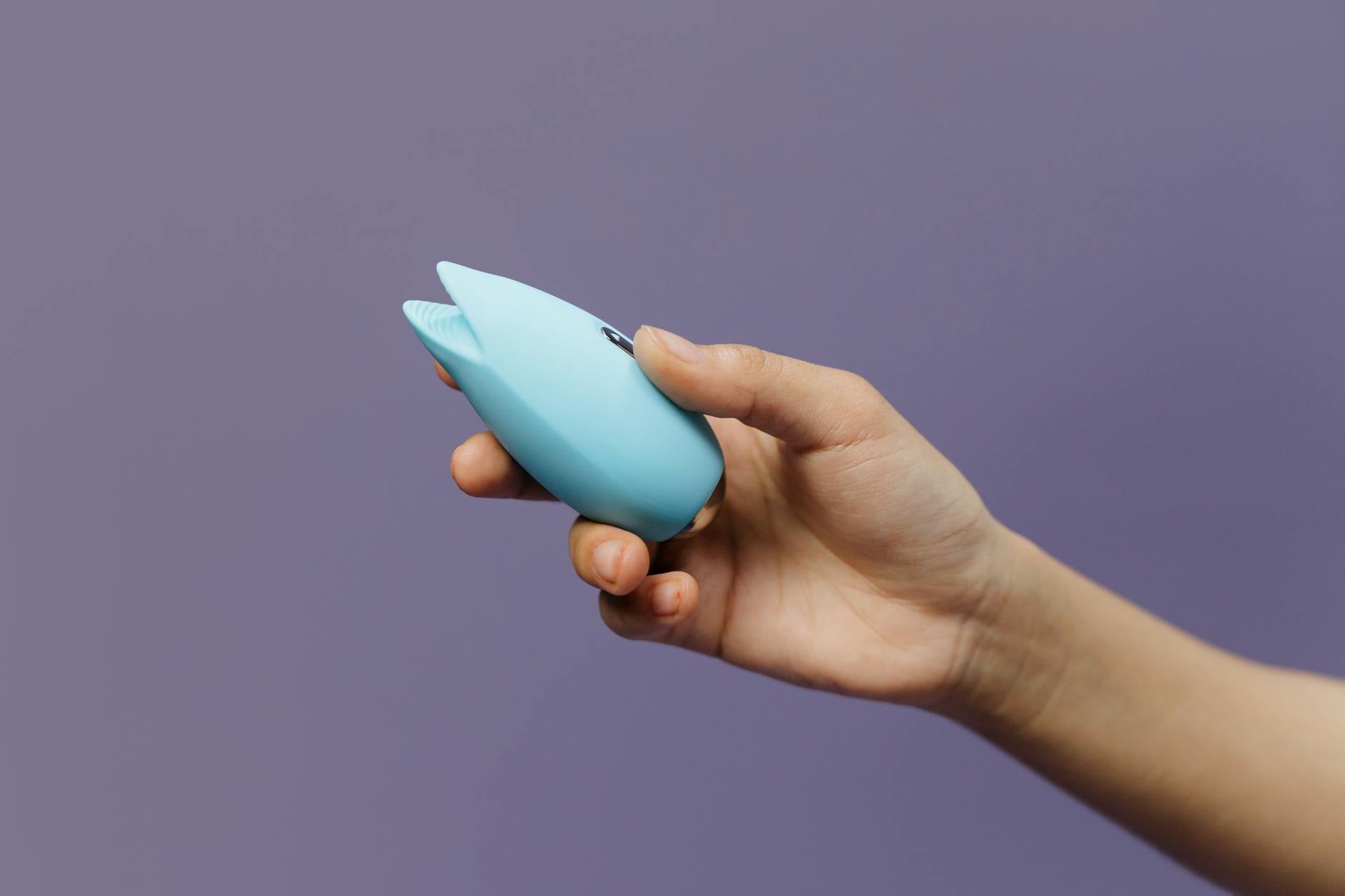
Lemon vibrators, in particular, seem to unlock something different for couples who've done the work of rebuilding. The suction mechanism of these clitoral vibrators is less about hard pressure and more about a rhythmic, subtle sensation that works beautifully with a calm nervous system. Couples tell me they use these toys together because the sensation is less overwhelming, more... present. You can actually feel it rather than just receive it.
The Lem and other lemon-style clitoral vibrators operate on air-pulse technology, not traditional vibration. That means they're not competing with your nervous system's state. They're harmonizing with it. In a body that's finally relaxed after months of therapy work, that's transformative.
The permission piece nobody mentions
Couples therapy often gives you something beyond conflict resolution. It gives you permission. Permission to want things. Permission to ask for them. Permission to receive pleasure without guilt.
Many couples who've been disconnected carry a quiet shame about sexuality. Maybe one partner had an affair. Maybe there was neglect. Maybe you just grew distant and sex became another thing that didn't work. Coming out the other side of therapy, there's often this unexpected hunger to reclaim that part of the relationship.
What changes isn't your capacity for pleasure. It's your willingness to claim it. And that mental shift amplifies everything else. The same lemon sexual toy that felt fine before now feels necessary. The same patterns feel fresh because you're moving toward something together instead of filling a void alone.
Pacing changes too
Here's a practical thing that surprises people: after couples therapy, the pace of intimacy often shifts. You're not rushing to "finish" because you're worried about disconnection afterward. You're not trying to prove something. You're present.
That longer timeline actually works beautifully with lemon vibrators. These adult toys are designed for patience. They build sensation gradually. In a reconnected partnership, you have time for that. You might use a lemon clitoral vibrator for fifteen, twenty minutes. You might take breaks. You might laugh. You might cry. The experience becomes richer because you're not sprinting toward an endpoint.
I've had clients tell me that the toy becomes almost meditative. They're focused on sensation, on breathing, on connection. Their partner is watching, or touching them somewhere else, or inside them. The whole thing is slower and stranger and more intimate than it's ever been.
When old patterns try to return
One thing I want to flag: rebuilding is not linear. You will have moments where the old anxiety creeps back. Something your partner says will hit wrong. You'll tense up during intimacy. That's not failure. That's recovery.
If you notice yourself gripping during pleasure, pulling away from sensation, or losing interest in toys you were excited about, that's often a sign that something in the relationship has shifted. Maybe it's a small resentment. Maybe it's a question that didn't get answered. Maybe you just need another therapy session.
The lemon vibrators and other adult toys become a kind of biofeedback tool. They tell you when your nervous system is truly calm. When you're genuinely ready to receive. If the sensation feels numb or irritating instead of pleasurable, your body is telling you something. Listen.
The role of novelty and shared discovery
After therapy, many couples want to explore together. Not because they never did before, but because now it feels safe to be curious together. Trying a lemon clitoral vibrator for the first time as a reconnected couple can be surprisingly vulnerable. You're learning something new about each other's bodies, preferences, timing.
Some couples use these tools during partnered sex. Some use them solo with their partner present or nearby. Some watch each other. The point is that the toy becomes part of the new chapter, not a substitute for what was broken.
I encourage couples to talk about what they want the toy to do. Is it an addition? A focal point? A conversation starter? There's no right answer. But naming it prevents the toy from becoming another source of confusion or assumptions.
When to reach out for additional support
If you've done couples therapy and rekindled intimacy but pleasure still feels absent, that might point to a different issue. Sometimes there's individual trauma that needs separate work. Sometimes there's a medical component (hormonal, neurological) that therapy didn't address. Sometimes you need a sex therapist specifically, not just a couples therapist.
A good move is to circle back with your couples therapist and name what's shifted or not shifted. They can help you determine whether you need additional support or whether this is just part of the integration process after deep relational work.
Why lemon clitoral vibrators specifically
I keep coming back to lemon vibrators because their design actually supports what your nervous system is doing after therapy work. These adult toys don't demand anything from your body. They don't require a certain level of arousal to feel good. They work beautifully whether you're highly stimulated or just beginning.
For couples rebuilding intimacy, that's huge. You don't have to perform. You don't have to hit a certain threshold. The sensation is just there, waiting for you to receive it. That aligns perfectly with the permission and presence that therapy cultivates.
The long view
Couples therapy isn't about returning to how things were. It's about building something new together. Pleasure is part of that. Your body's capacity to feel, to relax, to desire, to receive is part of the reconnection.
If you and your partner have done the hard work of rebuilding, your nervous system has already changed. Exploring that with intention, with the right tools, with curiosity instead of pressure, is how you integrate the deeper work into your actual life.
Your pleasure matters. Your ability to receive it matters. And that often feels wildly different on the other side of real relationship repair.
People also ask
How long after couples therapy before intimacy feels different?
It varies significantly depending on what you're healing from and how consistently you both show up to the work. Most couples notice shifts within 4-8 weeks of active therapy, but deeper nervous system changes often take three to six months of sustained reconnection. Some couples describe a gradual thaw. Others have a moment where they suddenly realize they're present during sex instead of vigilant. Neither timeline is wrong.
Can you use lemon vibrators if you're still doing couples therapy?
Absolutely. Some couples use toys as part of their therapeutic exploration. What matters is that you're not using the toy to avoid the actual relational work. If you're getting intimate with a lemon clitoral vibrator but not talking about emotional needs, the toy becomes another form of disconnection. But if you're in therapy, doing your work, and exploring sensually together, toys can absolutely be part of that integration.
Why do lemon sexual toys feel different if the relationship is still rocky?
If you're using an adult toy but the underlying trust or safety is still broken, your body knows. Your nervous system stays partially activated. The pleasure feels muted or anxiety-tinged. The toy doesn't fix the relationship. It just puts a vibrator on an unsolved problem. If pleasure feels flat or wrong, that's often a signal that the relational work isn't complete yet.
Do both partners need to enjoy lemon vibrators for reconnection to work?
No. One partner might love a lem vibrator while the other prefers something else entirely. What matters is that you're both willing to explore. Maybe they hold it. Maybe they watch. Maybe they use a different toy. The point is shared curiosity, not identical preferences. Couples therapy helps you stop expecting your partner to want exactly what you want and start supporting what they actually do want.
Is it normal to feel emotional during sex after couples therapy?
Completely normal. Sometimes you'll laugh. Sometimes you'll cry. Sometimes you'll feel an unexpected rush of tenderness. All of that is your nervous system integrating safety and presence at a somatic level. Your body is learning that intimacy is safe again. Let it.
What if one partner is ready to reconnect sexually but the other isn't?
That's a conversation for your couples therapist. Mismatched timelines around sexual reconnection are incredibly common and incredibly solvable. You might need individual sessions alongside couples work. You might need to slow down. You might need more time on emotional safety before physical intimacy returns. The lemon vibrators and other adult toys will still be there when you're both ready.
After couples therapy, pleasure becomes a language you speak together again. It's different because you are different. Let that change be okay.