Why pleasure feels different after years together
Here's the thing about long-term relationships: the body doesn't change much, but the brain does. After a decade with the same partner, your nervous system has stopped treating intimacy as novel. That's not a failure. That's literally how your brain works. Novelty activates reward pathways. Repetition, even good repetition, dampens them.
So when you've had the same kind of sex the same way for years, your body stops flooding with dopamine and adrenaline the way it did when the relationship was new. The sensation itself doesn't disappear, but it feels quieter. Flatter. Less insistent. This is called "hedonic adaptation," and it affects everything from food to music to sex.
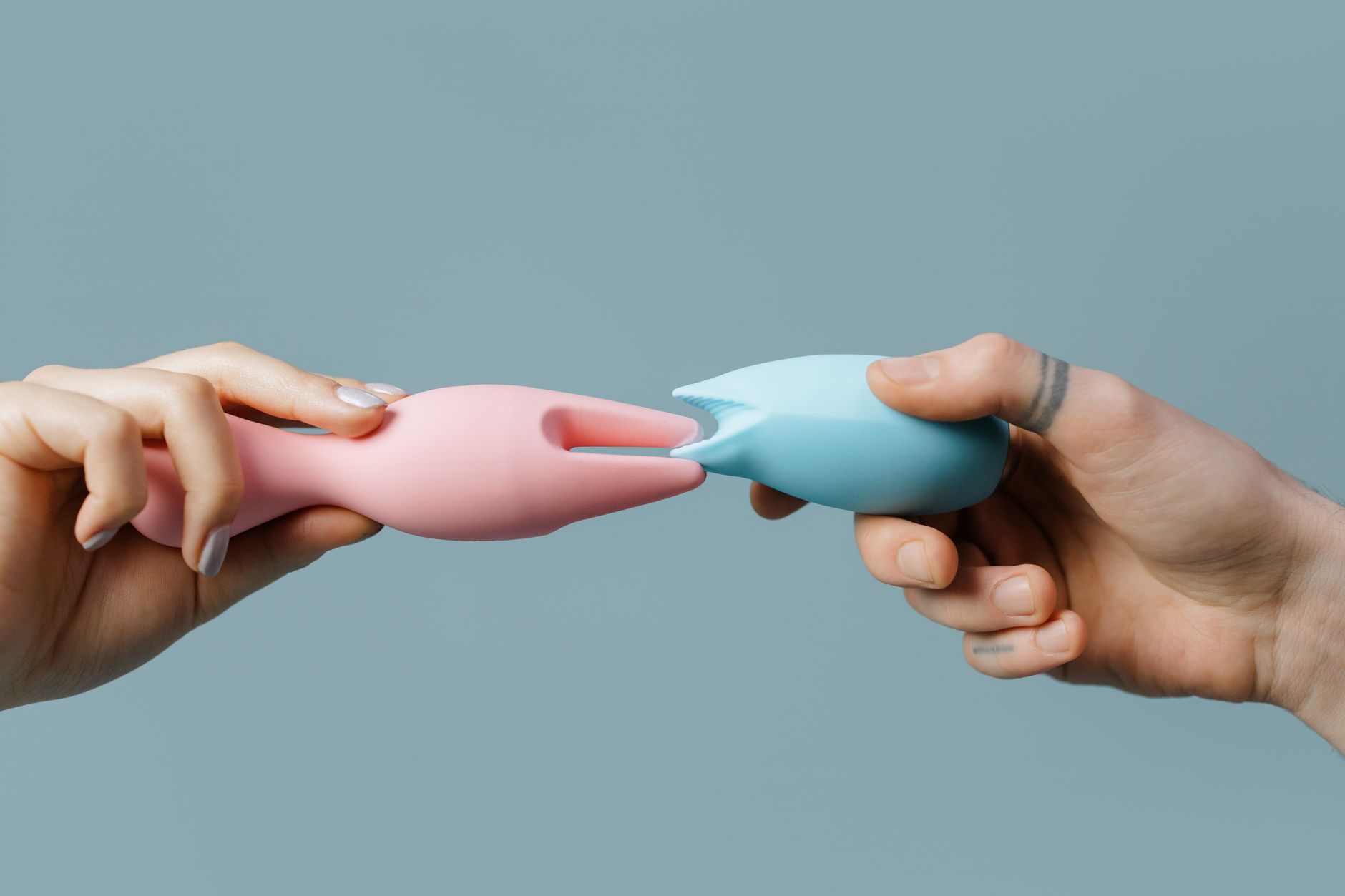
Lemon clitoral vibrators interrupt that pattern. Not because they're magical, but because they reintroduce genuine novelty into a familiar body and familiar dynamic. They give your nervous system something it hasn't processed a thousand times before.
What changes physiologically when you've been with someone for years
Four shifts happen in long-term intimate relationships, and none of them are about love or attraction.
Predictability dulls sensation. When you know exactly what's coming, your nervous system doesn't mobilize the same way. The clitoris is exquisitely sensitive to surprise. A partner who has learned your body perfectly sometimes becomes too gentle, too predictable, or too focused on what they think should work.
Pressure to perform increases. After years together, there's often unspoken expectation that you should be ready, should enjoy what you've always enjoyed, should orgasm on cue. That pressure collapses arousal faster than almost anything else.
Touching becomes habitual. The same hand pressure, the same angle, the same rhythm. Your partner isn't trying to be boring. They've simply learned one way that works and returned to it. The clitoris, though, has millions of nerve endings and responds to variation.
Emotional disconnect masks physical desire. Sometimes muted pleasure isn't actually about sensation at all. It's about feeling unseen, resentful, or emotionally distant from your partner. That feeling absolutely flattens physical response.
Why lemon vibrators reignite sensation in long-term relationships
The lemon clitoral vibrator works differently than traditional vibrators because it uses gentle suction combined with vibration. Instead of direct friction, it creates rhythmic pressure that stimulates the entire clitoral complex, not just the surface.
When you introduce a lemon sucker into a long-term dynamic, three things happen.
The novelty itself is arousing. Your nervous system perks up. Even if your partner is doing the work, your brain registers that something new is happening. New triggers dopamine. That's it. That's the whole mechanism.
The sensation bypasses numbed pathways. If years of the same touch have made your body less responsive, a different kind of stimulation wakes things up. Suction feels completely different from a vibrating motor against your skin. Some people describe it as more intense, more focused, or almost like being gently drawn in. That difference matters.
It removes performance pressure. A lemon vibrator is not something your partner should "already know how to use." You're both learning. That permission to experiment together is enormously relieving. Suddenly there's no expectation that this needs to work a certain way on the first try.
The emotional piece: why intimacy stalls in long-term relationships (and why toys help more than you'd expect)
I work with couples who haven't had really good sex in five, eight, fifteen years. The sex might be happening. It might even be pleasant. But it's become maintenance, like brushing teeth.
The culprit is usually one or more of these: resentment over unequal domestic labor, emotional hurt that was never resolved, or complete habituation where partners have stopped trying to surprise or delight each other. Pleasure becomes impossible in that environment because pleasure requires a nervous system that feels safe and curious.
Introducing a lemon clitoral vibrator doesn't fix those problems, but it does create a pressure release valve. It says: "We're trying something new together. Let's be a little awkward about this. Let's learn something." That collaborative discomfort is weirdly bonding.
Couples who introduce toys together report higher satisfaction not because the toy is magic, but because the act of trying something unfamiliar creates a little reset. You're not performing old roles. You're both slightly out of your depth. That vulnerability opens space for actual connection.
How to introduce a lemon vibrator without it feeling like criticism
The biggest mistake couples make is framing it as a problem. "I'm not enjoying this anymore" or "I think we need help" puts your partner on the defensive. They hear: "You're not enough."
Instead, lead with curiosity and desire, not dissatisfaction.
The conversation. Pick a neutral moment, not mid-intimacy. "I've been curious about something and would love to try it together" is fundamentally different from "Our sex life is boring." The first is about exploration. The second sounds like blame.
Start with education. If your partner has never heard of lemon clitoral vibrators, explain what makes them different. Suction feels nothing like a traditional vibrator. It's gentler in some ways, more concentrated in others. Frame it as something you're genuinely curious to experience, not a workaround for their inadequacy.
Make it collaborative. "I'd like to figure out how to use this together" is different from asking your partner to perform with a new tool. You're the one exploring your own pleasure, and they get to watch and participate. That shift removes the pressure from your partner to be "good at" operating a toy.
Go slow the first time. Try it solo first if you need to. See what the sensation is actually like without the pressure of your partner watching. Then introduce it when you're already aroused and playful, not as the opening act.
What actually changes when you start using a lemon vibrator together
Three things clients report consistently.
Orgasms feel different. Not necessarily stronger, but more localized and intense. Because suction stimulates deeper nerve pathways than surface vibration alone, many people experience sharper, more focused sensation. That difference can feel almost like rediscovering orgasm after years of the same response.
Arousal builds faster. The novelty and the different sensation usually mean less warm-up time is needed. That might not sound romantic, but actually it's practical. When you're busy, when desire is lower, being able to access arousal more efficiently matters.
The dynamic shifts. Your partner isn't the only source of pleasure anymore. That's not threatening to a partner who cares about your satisfaction. It's a relief. There's less pressure on them to be perfect, less performance anxiety. Sometimes it opens space for them to stop trying so hard and just be present.
When a lemon vibrator is actually pointing to a bigger relationship problem
Here's what I need to say, and it's important: if your long-term relationship is characterized by emotional distance, unresolved conflict, or misalignment in desire, a vibrator won't fix it. It might temporarily feel good, but you'll return to flatness afterward.
If you're introducing lemon vibrators because you genuinely want to explore your pleasure and your partner is enthusiastic, that's a green light. If you're introducing one because you're trying to fix a relationship that feels broken, talk to a therapist before you introduce a toy. The toy becomes a band-aid on a bigger wound.
That said, sometimes a small shift in physical intimacy does help couples reconnect. The act of collaborating on something that feels a little risky or unfamiliar can thaw emotional distance. Just make sure you're also doing the harder work of talking about what's actually wrong.
Practical things that make the difference
Timing matters. Introduce it when you're both in a good mood, not when you're tired or stressed. The first attempt should feel playful, not urgent.
Lubrication is non-negotiable. Lemon clitoral vibrators work best with water-based lube. It's not a sign something is wrong. It's just how suction stimulation works best.
Communication during matters. "That's intense" is useful. "Does this feel okay" is useful. You're learning your own body in a new way. Talk about it.
Don't expect instant results. Sometimes the first time is awkward. That's normal. The second or third time usually feels less self-conscious.
FAQ: Long-Term Couples Using Lemon Vibrators
Will my partner feel threatened if I use a lemon vibrator?
Most partners feel relieved. If your partner feels threatened, that's usually not about the vibrator. It's about underlying insecurity or feeling like you've been critical of them. Address that conversation separately. A healthy partner wants your pleasure, regardless of how you achieve it.
How often should we use it?
However often feels good to you both. Some couples use lemon vibrators occasionally, as a novelty. Others integrate them regularly. Neither is wrong. Let desire and curiosity guide you, not a sense of obligation.
Does using a lemon vibrator mean our relationship is in trouble?
No. Introducing new pleasure tools is something lots of healthy couples do. It's often a sign that you both want to keep exploring each other, not a sign something is broken.
What if my partner wants to use it on me but I'm shy about them watching?
Start solo. Get comfortable with the sensation before adding the visual element of your partner watching. Once you're aroused and confident, they can participate. Vulnerability takes time.
Can a lemon vibrator help if we've lost sexual desire altogether?
Not by itself. If desire has completely disappeared, that's usually pointing to emotional distance, depression, medication side effects, or a health issue. Talk to a doctor or therapist. A toy can help reignite things once you've addressed the root cause, but it can't replace that work.
Does using a lemon clitoral vibrator change how partnered sex feels afterward?
For some people, yes. Once you've experienced different kinds of stimulation, partnered touch might feel more or less intense by comparison. That's information. You can use it to ask your partner to vary their pressure, rhythm, or approach. Communication is the actual tool. The vibrator just opened the conversation.