Let's start with what you already know
You've tried vibrators. Maybe multiple ones. And something still wasn't quite right. The sensation felt hollow, or it stopped building pleasure after a few minutes, or you hit a ceiling where nothing got more intense no matter what you did. You're not broken. Your body isn't "too used to stimulation." What's happening is neurological, and it's specific to how vibration works versus how suction works.
High sensation seekers have a nervous system that needs more input to reach the same pleasure threshold as others. This isn't rare, and it isn't a flaw. It just means you need different equipment.
How vibration and suction activate your nervous system differently
A traditional vibrator sends repetitive oscillations into tissue. These vibrations activate pacinian corpuscles, a specific type of touch receptor. Pacinian corpuscles are wildly sensitive, but they also adapt quickly. Your nervous system literally stops "hearing" them after 20-30 seconds if the input stays the same. This is why buzz-style vibrators often plateau. You feel amazing for a moment, then your nervous system says "got it, noted, moving on" and the sensation dulls.
Suction works on a different neural pathway entirely. Instead of oscillation, suction creates sustained negative pressure combined with rhythmic pulsing. This activates different mechanoreceptors, including meissner corpuscles and merkel disks, which don't adapt the same way. The pressure change is dynamic even when the pattern is steady. Your nervous system keeps registering "new information" because the stimulus is genuinely changing, even microscopically, across the suction cycle.
For high sensation seekers, this matters hugely. You're not hitting an adaptation ceiling because the input isn't static. Lemon vibrators, which use air-suction technology, deliver this sustained intensity without the flatline effect of traditional vibrators.

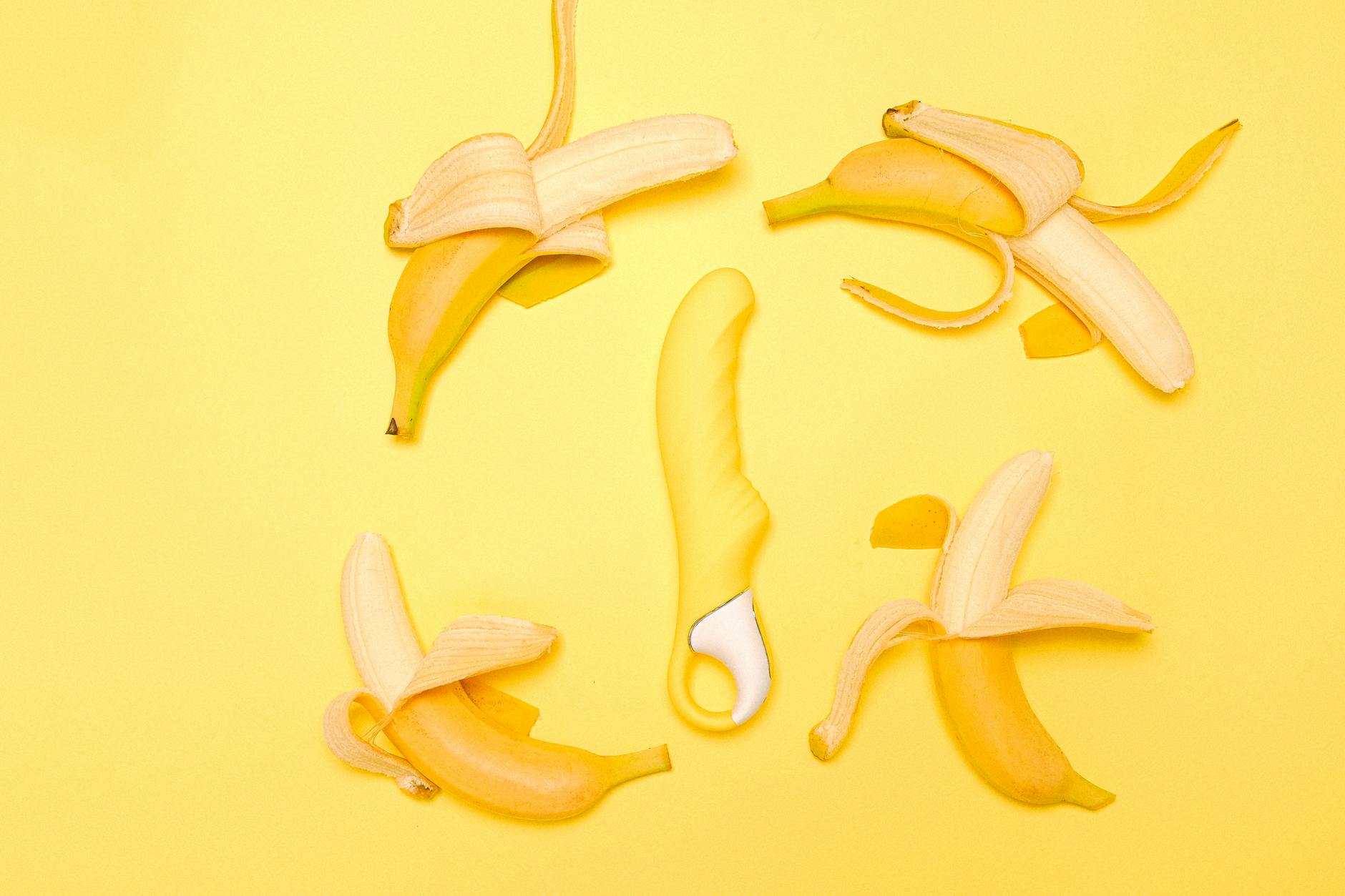
Photo by cottonbro studio on Pexels
The sensation profile: why suction feels so much stronger
When I work with clients who describe themselves as high sensation seekers, the first thing I ask is what intensity they've been chasing. Often they say "I need to use it on the highest setting and it's still not quite there." That's the adaptation problem. Once you understand it, the solution becomes obvious.
Suction creates what feels like continuous pulling, often described as a gentle kiss or a light squeeze, layered with pulsing. The pulsing patterns can build, stay steady, or vary. Because there are multiple layers of sensation happening at once—pressure, rhythm, and depth—your nervous system has more to process. More sensory information equals longer time before adaptation kicks in. Many people report using lemon clitoral vibrators for 20, 30, even 45 minutes without hitting that plateau where nothing feels better.
The intensity range also tends to be wider. Suction can feel gentle and teasing at low settings, but the same device can deliver shockingly intense sensation at higher settings. Traditional vibrators often feel like the same kind of sensation, just faster or slower. With air-suction technology, you're changing the quality of the sensation, not just the quantity.
Who benefits most (and why you might be surprised)
High sensation seeking shows up across different bodies and preferences, but a few groups report the most dramatic shifts after switching to lemon vibrators or similar suction toys.
People who've been using vibrators for years. Your nervous system has had time to adapt to standard vibration patterns. Suction resets that adaptation and often unlocks intensity you haven't felt in a while.
People with ADHD or autism spectrum traits. These neurotypes often involve different sensory processing. Higher sensory thresholds are common. Suction's multi-layered input often reads as more "interesting" to a neurodivergent nervous system than repetitive vibration.
People over 40. Hormonal changes can shift arousal patterns and tissue sensitivity. A lemon clitoral vibrator often works better during this transition because it doesn't require the same level of direct friction that might feel uncomfortable on more delicate tissue, while still delivering intense sensation.
People who want to build toward orgasm gradually. If you dislike the feeling of instant intensity, suction allows you to start gentle and build over time without ever hitting an adaptation wall.
How to actually use a suction vibrator if you're new to it
If you're used to traditional vibrators, switching to a lemon vibrator requires a small adjustment. The placement is slightly different, and the way you build sensation is different.
Start on a low pattern. Air-suction technology feels stronger than it looks. Pattern 1 or 2 is almost always more intense than you expect.
Angle it so the opening sits fully over your clitoris. Suction works through a seal. If it's only half-covering the area, you're not getting the full effect. You should feel a gentle pulling sensation immediately.
Give it 30-60 seconds before changing patterns. Let your nervous system register what's happening. Jumping between patterns quickly is like flipping channels constantly. You'll never find the sweet spot.
Vary the rhythm, not just the intensity. Most lemon vibrators have multiple pulse patterns. Your nervous system finds them all interesting. Cycling through them keeps adaptation at bay. You might spend five minutes on pattern 3, then switch to pattern 5, then back to pattern 3. This variety is your secret weapon.
Use it with lubrication. Water-based lube helps create an even better seal and adds another layer of sensation. It also reduces any micro-friction that might feel uncomfortable.
The role of mental engagement
Here's something I've noticed across years of conversations about pleasure: high sensation seekers are often also high-engagement people. You're not just looking for physical intensity. You want to stay mentally present and interested.
One reason lemon vibrators work so well for this group is that they demand attention. The sensation is complex enough that you can't tune it out. You can't just set it and check out. The rhythm, the pressure, the pulsing—they all require micro-adjustments and focus. For people who get bored easily, this is a feature, not a bug.
If you're used to traditional vibrators that feel one-note, switching to a lemon clitoral vibrator often feels like you're finally having the experience you've been chasing all along. The pleasure is more dimensional. It's harder to adapt away from. It rewards attention.
What to expect in your first week
When you first switch from a standard vibrator to air-suction technology, your nervous system needs a few days to recalibrate. You might feel like the intensity is overwhelming at first (which is often a sign that you're finally getting enough input). By day three or four, you'll have found your preferred patterns and your body will have adapted to the different sensation profile.
One note: if you've been relying on very high vibration frequencies to get off, switching to suction is a gentle reset. You might not orgasm the first few times you use a lemon vibrator. That's normal and temporary. Your nervous system is learning a new language. Stick with it for a week before deciding it's not for you.
Many people report that orgasms from suction feel different—often deeper, more sustained, sometimes with multiple waves instead of a single peak. This isn't worse or better. It's just a different neurological pathway firing. Most high sensation seekers prefer it once they've adjusted.
When to keep your traditional vibrator too
I'm not saying suction is universally better. I'm saying it works differently and it often works better for high sensation seekers. But pleasure isn't binary. You might use a lemon vibrator four days a week and keep a traditional vibrator in rotation for when you want something faster or quieter or when you're short on time.
The point is having options that match your nervous system's actual needs. If you've felt stuck at a plateau with standard vibrators, you haven't failed. You've just been using the wrong tool. Does a Lemon Vibrator Feel Different Than Traditional Vibrators? digs deeper into the sensory differences if you want more specifics.
For a first time trying suction technology, the lemon clitoral vibrator is the most popular entry point because the sensation is intuitive—you feel it immediately—and the design is straightforward. There's no learning curve. You turn it on and the sensation is there.
FAQ
Will a lemon vibrator desensitize me over time like other vibrators?
Not in the same way. Because suction activates different mechanoreceptors than vibration, the adaptation pattern is slower and less complete. Most people don't hit a plateau with suction the way they do with traditional vibration. That said, any repeated stimulus will eventually show some adaptation if you're using it daily for extended periods. Most users find that alternating between patterns prevents this almost entirely.
Is suction uncomfortable if I have sensitive skin?
Suction feels like a gentle pulling or kissing sensation, not painful pressure. For people with contact dermatitis or skin sensitivity, suction is often easier on tissue than direct vibration because it distributes pressure across a larger surface area. That said, individual sensitivity varies. If you have vulval skin conditions or pain disorders, check the safety guide or ask your doctor before trying any new toy.
Can I use a lemon vibrator with a partner?
Absolutely. Many couples use air-suction vibrators during partnered sex. The sensation is intense enough to stay engaged even with another person present. Because suction doesn't require the constant positioning adjustment that traditional vibrators sometimes do, it's actually easier to use hands-free or while your partner is inside you.
How long does a charge last on a lemon clitoral vibrator?
Most suction vibrators run 60-90 minutes per charge, depending on which pattern and intensity you're using. Lower patterns use less battery. Most people get 2-3 sessions per charge if you're using it 20-30 minutes at a time.
Is there a learning curve with suction vibrators?
Not really. It feels intuitive immediately. You turn it on, you feel the sensation, you adjust the pattern or intensity based on what you want. There's no positioning trick or special technique. The first time you use one, you'll understand how it works within the first 10 seconds.
What's the difference between a lemon vibrator and other suction toys?
Design, pattern variety, and material quality vary. Some suction toys are extremely high-frequency and intense. Others are gentler. Some have five patterns, others have 10+. The lemon clitoral vibrator is engineered specifically for the clitoris, which means the suction opening is the right size and the intensity curve is designed for that anatomy. Other suction toys might be more general-purpose or designed differently. For high sensation seekers specifically, toys engineered for clitoral use tend to work best.
What comes next
If you're a high sensation seeker who's been stuck with traditional vibrators, trying a lemon vibrator or other air-suction device is worth the investment. Your pleasure doesn't peak at a certain intensity and flatline. You've just been waiting for the right tool. Once you understand how suction engages your nervous system differently than vibration, a lot of things that felt broken about your pleasure suddenly make sense.
Ready to explore? Browse the full collection or reach out if you want personalized recommendations based on your sensation preferences.