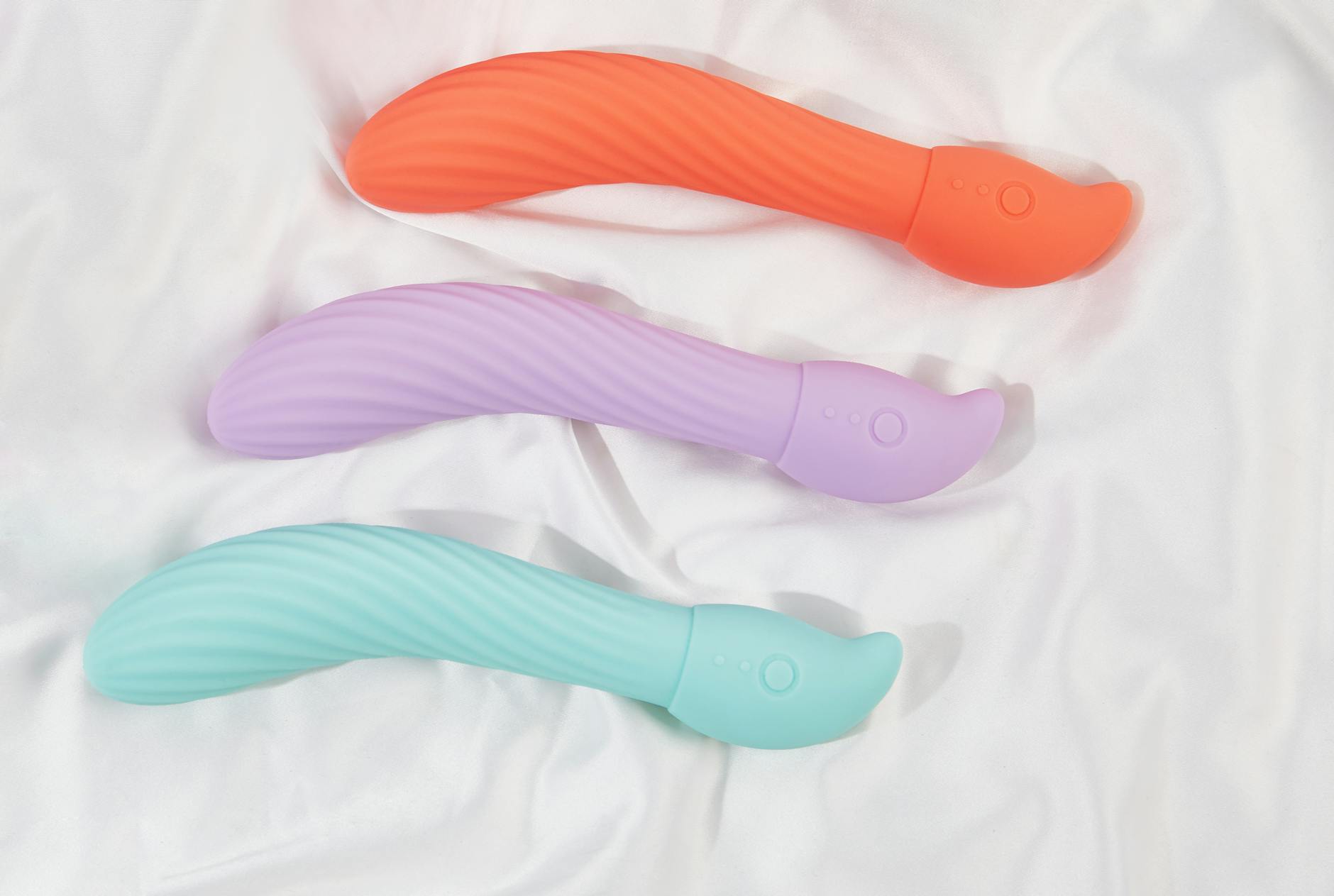
When pain becomes the barrier
Let's start here: if orgasm or pleasure has become painful, that's your body saying something needs to change. Not "stop trying." Change. The irony is that many people respond to pain by abandoning pleasure entirely, which actually creates more tension, more guarding, and makes recovery harder. A lemon vibrator, specifically, offers a different pathway because it doesn't rely on friction.
I work with clients recovering from everything from endometriosis flare-ups to surgical healing to vestibulodynia (chronic vulva pain). The pattern I see across all of them: traditional vibrators that buzz and vibrate directly against sensitive tissue can feel like more of the same irritation that caused pain in the first place. Lemon clitoral vibrators, which use suction instead, change the mechanics entirely.
How friction pain actually works (and why suction bypasses it)
Vulva tissue pain during stimulation usually comes from one of three sources: direct mechanical friction, pressure on already-inflamed tissue, or repetitive stimulation that aggravates existing conditions like vulvodynia or pelvic floor dysfunction.
Traditional vibrators solve this by buzzing faster, which seems like it should help but often doesn't. Speed doesn't address the root problem. It just adds more stimulus to tissue that's already overwhelmed.
Lemon vibrators and hello nancy's lem vibrator work differently. Suction gently pulls tissue upward and stimulates the nerve cluster at the opening of the vagina without the grinding motion of traditional toys. There's no friction. The stimulation is broad-based rather than pinpoint. And you control the intensity entirely through which pattern you select, not by grinding harder or faster.
For people in pain recovery, that shift from friction-based to suction-based is the difference between re-traumatizing and rebuilding.
Why suction feels safer after trauma or surgery
After pelvic surgery, vaginal delivery, or any kind of vulvar procedure, tissue is swollen, tender, and hypersensitive. The instinct from your body's nervous system is "don't touch here." That instinct is wise for the first few weeks. But at some point, gradually reintroducing sensation without pain teaches your nervous system that touch doesn't mean harm.
This is called desensitization, and it's evidence-based. It works by exposing tissue to gentle, controlled sensation that doesn't trigger the pain response. Traditional vibrators, because they vibrate directly against the surface, often feel too intense or create too much friction during this window. Lemon adult toys using suction offer gentler entry back into pleasure.
One pattern I notice: people who've used hello nancy's lemon suction toys during recovery often report that they feel less anxious about pleasure returning. The device itself becomes a permission slip. "This is designed for this." That psychological shift matters.
The pelvic floor connection (why you need to relax, not grip)
Vulva pain, especially chronic pain, is almost always tied to pelvic floor tension. Your pelvic floor muscles tighten in response to pain or fear of pain, which then creates more pain. It's a loop.
Traditional vibration can trigger that protective grip because your body reads the buzzing as intense sensation and responds by tensing. With suction-based lemon vibrators, the sensation is different enough that this reflex is less automatic. People report that their pelvic floor stays more relaxed, which actually allows them to experience sensation more fully. Less guarding means more pleasure, even at low intensity.
Pelvic floor physical therapy is often essential alongside toy use. But the toy choice matters. A lem vibrator paired with pelvic floor therapy works better than a traditional toy for this reason.
Starting slowly (the actual recovery protocol)
If you're rebuilding after pain or sensitivity, here's what I recommend:
Week 1-2: Explore without insertion or direct contact. Use the lemon vibrator on the external area, over underwear if needed. Pattern 1. Five minutes max. The goal is nervous system recognition, not orgasm.
Week 3-4: Direct contact, lowest pattern, shortest duration. Notice what feels neutral, what feels pleasant, what triggers tension. There's no pressure to feel aroused. This is data collection.
Week 5+: Gradually increase pattern intensity or duration based on what your body reports. If pain returns, step back. Pain is information, not failure.
This timeline is slower than most people expect, but it's the timeline that actually works. Rushing this process almost always leads to re-injury or re-traumatization.
Vulvodynia, vestibulitis, and endometriosis
Conditions like vulvodynia (chronic pain with no clear cause) and vestibulitis (inflammation of the vestibule) respond differently to different types of stimulation. High-frequency vibration can aggravate inflammation. Suction, because it doesn't create the same micro-trauma that friction does, is often better tolerated.
For endometriosis, where pain can be widespread and unpredictable, the flexibility of a lemon vibrator is key. You can adjust pattern, duration, and placement instantly. If one pattern triggers pain, you switch. With traditional toys, you're stuck with vibration.
I'm not saying lemon vibrators cure these conditions. They don't. What they do is allow pleasure to happen alongside the pain, rather than adding to it. That matters psychologically and physiologically.
The nervous system piece (why your brain matters as much as your body)
After pain or trauma, your nervous system stays in protection mode. It reads touch as potentially dangerous. You can have the best toy in the world, but if your brain is in fight-or-flight, pleasure won't happen.
Lemon vibrators help with this because suction feels fundamentally different from anything that hurt before. Your brain registers it as new, which creates a tiny opening. Combined with relaxation practices, breathing work, and time, that opening gradually widens.
I often tell clients: expect this to take months, not weeks. Pleasure doesn't rebuild on a schedule. It rebuilds on trust. The tool you choose should feel like it's supporting that trust, not asking your body to do something it's not ready for.
When to seek professional support
If you're recovering from pain, a pelvic floor physical therapist is worth the investment. They can assess whether your pain is muscular, neurological, or tissue-based. A gynecologist trained in pain management can rule out infections or conditions that need treatment beyond toys.
A therapist who works with sexual health or trauma can help you navigate the nervous system piece, especially if pain is connected to relationship trauma or anxiety.
Lemon clitoral vibrators are tools, not treatment. They work best alongside professional support.
The permission to start over
Here's the thing I want you to know: rebuilding pleasure after pain is not weakness. It's not frivolous. It's part of reclaiming your body. And the fact that hello nancy makes devices like the lem vibrator specifically for different bodies and different circumstances means you're not forcing yourself into someone else's design.
Your pleasure matters. And it's allowed to be slow, small, and rebuilt one pattern at a time.
People also ask
Can I use a lemon vibrator if I have vulvodynia?
Yes, if you approach it gradually and with support from a pelvic floor physical therapist. Vulvodynia is individual, so what works for one person might not work for another. The key is starting at the lowest intensity, paying attention to pain signals, and stopping if it increases. Suction-based lemon vibrators are generally better tolerated than traditional vibrators for vulvodynia because they don't create friction. But always check with your healthcare provider about your specific situation.
How long does it take to rebuild sensation after surgery?
It depends on the type of surgery and how much tissue was affected. Generally, most people see noticeable improvement in sensation and comfort within 6-8 weeks, but full recovery can take 3-6 months. During this time, using a lem vibrator at low intensities can help rebuild sensation safely without re-traumatizing tissue. Listen to your body, not a timeline.
Will a lemon vibrator make my pain worse?
Not if you start slowly and pay attention. The risk comes from jumping to high intensity too quickly or using a device that relies on friction when your tissue can't tolerate it yet. Suction-based lemon adult toys are designed to reduce that friction risk. But if any vibration increases pain, you should pause and consult a healthcare provider. Pain is your body's stop sign.
Is it normal to have numbness after pelvic surgery?
Yes. Nerve endings get disrupted during surgery, and it takes time for sensation to return. This usually improves over weeks to months. A lemon vibrator at low intensities can help wake up those nerves gradually without overwhelming them. Avoid high intensity until sensation has returned more fully.
Can I use lemon vibrators if I have vaginismus?
Vaginismus involves involuntary muscle tension that makes penetration painful or impossible. Lemon vibrators can help because they're external and suction-based, so they don't trigger the same pelvic floor tightening that penetrative items might. But this is something to work on with a pelvic floor physical therapist or sex therapist, ideally alongside any toy use. Start outside the vagina entirely and let your nervous system adjust at its own pace.
What's the difference between a lemon vibrator and a traditional vibrator for pain?
Traditional vibrators use rapid vibration against tissue, which creates micro-friction and can aggravate pain or inflammation. Lemon vibrators use suction, which pulls tissue gently upward without friction. This difference is significant for people with vulva pain, post-surgical sensitivity, or conditions like vulvodynia. Suction-based stimulation also tends to feel less intense and more broad-based, which many people find more comfortable during recovery. The hello nancy lem vibrator is specifically designed with this in mind.