Let's start here: delayed orgasm isn't a problem you caused. It's not a reflection of attraction or desire. It's a physiological response shaped by medication, hormones, stress, age, or sometimes just how your nervous system is wired.
The irony is that traditional vibrators, which most people assume are the solution, often make delayed orgasm worse. They work by flooding the same nerve pathway with rapid stimulation—essentially turning up the volume so loud that your body stops listening. That's why people with delayed orgasm end up increasing speed and intensity endlessly, chasing an orgasm that keeps retreating.
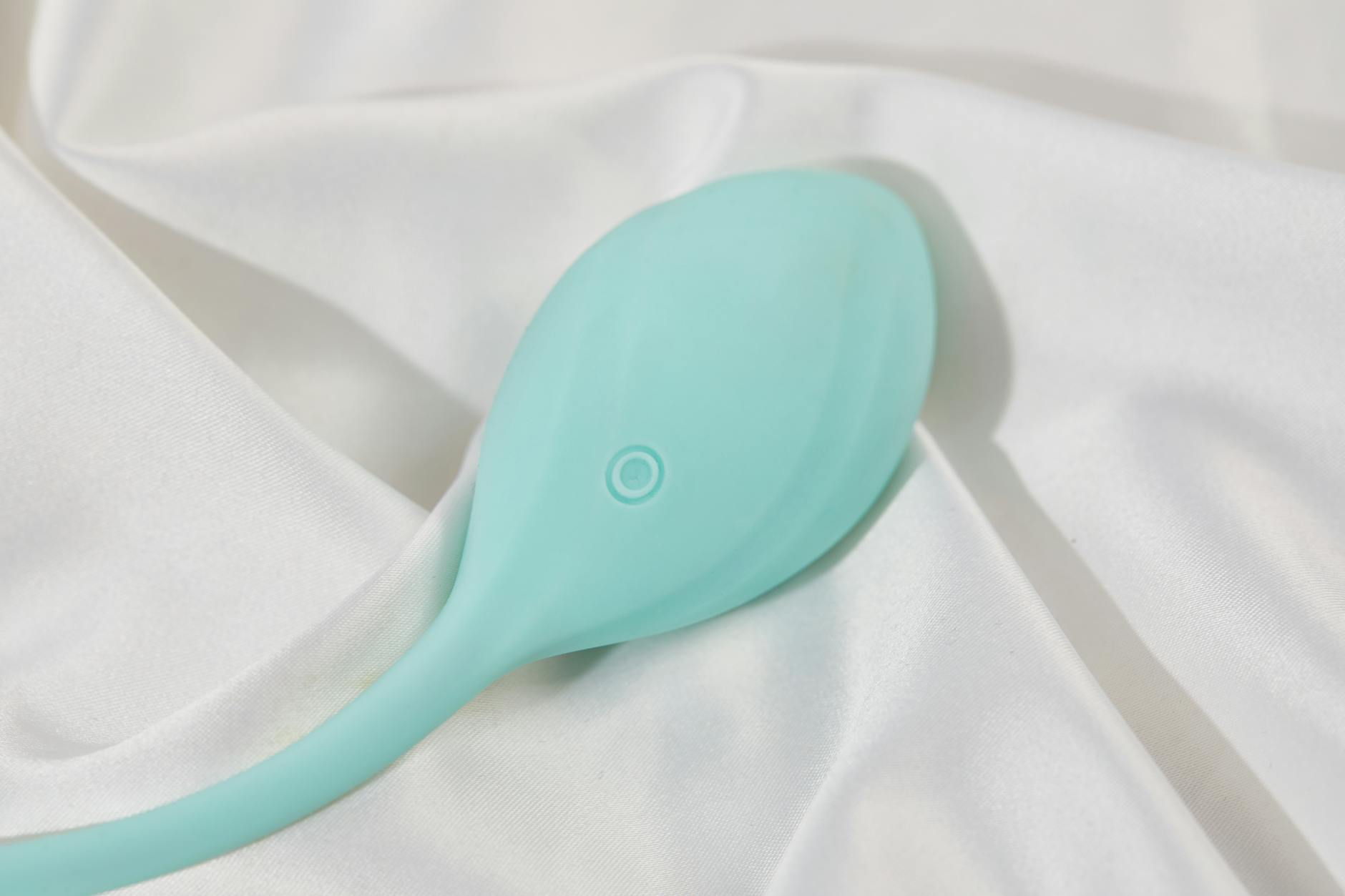
A lemon vibrator works differently. Instead of vibration, it uses rhythmic suction. That distinction matters enormously for anyone whose arousal builds slowly.
When you use a traditional vibrator, your clitoral nerves receive constant high-frequency stimulation. This is efficient for some people. For others, it's sensory overload that actually blocks arousal.
Suction, the principle behind a lemon clitoral vibrator, engages the same nerve network but through a different mechanism. It creates a gentle pulling sensation that mimics oral sex—which your body recognizes as arousal-building rather than as mechanical input. Your nervous system doesn't adapt to it as quickly. You don't build tolerance the way you do with constant vibration.
Here's what researchers have found: suction stimulation triggers a slower, more sustained climb toward orgasm. For delayed orgasm, that's exactly what you need. You're not racing against the clock or your own desensitization. You're riding a wave that's designed to build, not to plateau.
Think of a traditional vibrator as a jackhammer. Useful if you need a quick result. But if your body needs a longer runway to get there, a jackhammer just numbs you out.
Here's what typically happens: you use a vibrator, feel some sensation, but orgasm doesn't happen quickly. So you increase the speed. Still nothing. You keep chasing faster, more intense settings. Your nerve endings adapt. You need even more intensity. You're in a feedback loop that actually makes delayed orgasm worse, not better.
After a few sessions like that, people often give up and assume they just can't orgasm. That's the story delayed orgasm tells, and it's almost always false.
A lemon vibrator doesn't ask your body to hurry. It works with the architecture of delayed orgasm instead of against it.
The suction sensation on the clitoris stimulates Meissner's and Pacinian corpuscles—the nerve endings responsible for pleasure sensation. But it does so in a way that your nervous system perceives as erotic anticipation, not mechanical override. Your arousal can actually build. You can feel the sensations changing and intensifying, rather than just getting louder.
For many people with delayed orgasm, this shift is transformative. Suddenly, an orgasm that felt impossible becomes achievable within 10 to 20 minutes instead of never.
Having the right tool only works if you use it right. Here's how to use a lemon clitoral vibrator for delayed orgasm.
Start at the lowest setting. Not because you need a gentle touch, but because you're training your nervous system to respond gradually. Pattern 1 or 2 on Hello Nancy's Lem vibrator is your baseline.
Position it directly on the clitoris. With suction toys, placement is critical. You want the suction cup fully sealed around the clitoral hood and glans. A vibrator that's slightly off-target won't work. A lemon vibrator that's perfectly positioned will deliver sensation you can feel building.
Give yourself 15 to 25 minutes. Delayed orgasm requires patience. You're not trying to reach the finish line in five minutes. You're building arousal over time. This is actually one of the gifts of delayed orgasm once you stop fighting it: the pleasure extends, deepens, and often feels more full-body than a quick orgasm.
Layer in fantasy or partner involvement. A lemon vibrator works best when your mind is also engaged. If you're using it solo, have something you want to think about. If you're with a partner, this is where they can help—touching other parts of your body, adding verbal cues, being present. Suction toys pair beautifully with partnered pleasure because they don't require hands-on control.
Here's something I see constantly in my practice: people blame themselves for delayed orgasm. "I should be able to come faster." "My partner must be doing something wrong." "Something is broken in me."
None of that is true. Delayed orgasm is a symptom, not a character flaw. It points to how your specific nervous system is organized. Some people's arousal systems are fast-acting. Others' require more time, more build, different kinds of stimulation. Neither is better. They're just different.
What matters is matching your tool to your physiology. A lemon vibrator with its suction mechanism is, for many people with delayed orgasm, that match. It's not that you suddenly become capable of faster orgasm. It's that the suction approach removes the barrier—the sensory overload of vibration—that was preventing your body from responding.
If you've been struggling with delayed orgasm for years, a lemon vibrator alone might not be the full solution. Consider these additions.
Partner communication. If you have a partner, let them know what you're exploring and why. Delayed orgasm often creates anxiety in partnerships: your partner worries they're not doing it right, you worry you're taking too long. A lemon clitoral vibrator can actually ease that anxiety because it shifts the dynamic from "partner trying to make you come" to "partner supporting your pleasure." Check out how lemon vibrators work in partnership contexts at How to Use Lemon Vibrators for Couples.
Meditation or breath work. Delayed orgasm often exists alongside performance anxiety. Your mind is monitoring your body instead of inhabiting it. Five minutes of intentional breathing before you use your lemon vibrator can shift you from observer to participant.
Medication review. If you're on SSRIs, antipsychotics, or certain blood pressure medications, delayed orgasm might be a side effect. That doesn't mean you're broken. It means talking to your prescriber about timing, dosage, or alternatives. Sometimes a small change there, combined with a lemon vibrator, creates the conditions for orgasm to return.
One thing delayed orgasm often gives you, once you stop fighting it, is depth. Your arousal doesn't peak and drop. It builds, sustains, and when orgasm finally arrives, it's often more full-body than a quick climax.
People who use lemon vibrators for delayed orgasm often tell me the same thing: "I stopped chasing the orgasm and started enjoying the sensation." That shift in mindset, combined with a tool designed for slow-building pleasure, changes everything. The timeline might extend. But the quality intensifies.
Start with 15 to 20 minutes and let that be enough time. Many people with delayed orgasm assume they need a longer session, but often it's not time that's missing. It's the right stimulation. Once you find the rhythm with a lemon clitoral vibrator, 15 to 20 minutes is frequently sufficient. If after three or four sessions of consistent use you're still not reaching orgasm, consider whether medication, stress, or relationship dynamics need attention.
Yes. Daily use won't desensitize you the way daily use of traditional vibrators can, because suction doesn't create the same adaptation response. That said, if you use your lemon vibrator daily and stop reaching orgasm, that's often a sign that something else is shifting (stress, hormones, relationship tension). Take a few days off and reassess.
Often, yes. If your delayed orgasm is medication-related (SSRIs are the most common culprit), a lemon vibrator won't fix the underlying cause. But it can work around it. The suction mechanism is one of the most effective tools for bypassing medication-induced sexual side effects. Talk to your doctor about whether timing your medication differently might help, and use your lemon vibrator as one part of a broader strategy.
All lemon vibrators use suction, but not all suction toys are created equally. The Lem by Hello Nancy, for example, combines suction with gentle pulsing patterns—that rhythm is what makes it effective for delayed orgasm. A basic suction toy that just creates constant suction might feel good briefly but can lose effectiveness. Look for a lemon clitoral vibrator with multiple patterns or intensities so your nervous system doesn't adapt as quickly.
Only a little. A lemon vibrator needs a good seal to deliver suction effectively. Too much lubricant breaks that seal and the toy becomes useless. A very light application of water-based lube around the opening of the suction cup is fine. But if you're struggling with arousal, the issue isn't usually lubrication—it's stimulation. Don't over-lube in hopes that will help.
Absolutely. This is one of the major advantages. A lemon vibrator leaves both your hands free and your partner's hands free. They can touch your body, kiss you, speak to you, while you're using the lemon clitoral vibrator. That layering of sensation and intimacy is often exactly what delayed orgasm needs. It moves the focus away from "will I come" and toward "what does this feel like."
Delayed orgasm stops being a problem the moment you stop treating it as a failure. It's not a sign you're broken. It's feedback about what your nervous system needs. A lemon vibrator, with its suction-based approach, speaks that language. It works with delayed orgasm instead of against it. For many people, that's the difference between years of frustration and a return to pleasure that feels natural and achievable.
If you're ready to explore whether a lemon clitoral vibrator is right for you, start here. And if you have other questions about how lemon vibrators work differently than traditional vibrators, this guide goes deeper into the mechanics.
Your pleasure deserves a tool designed for how your body actually works. Not faster. Not harder. Just right.