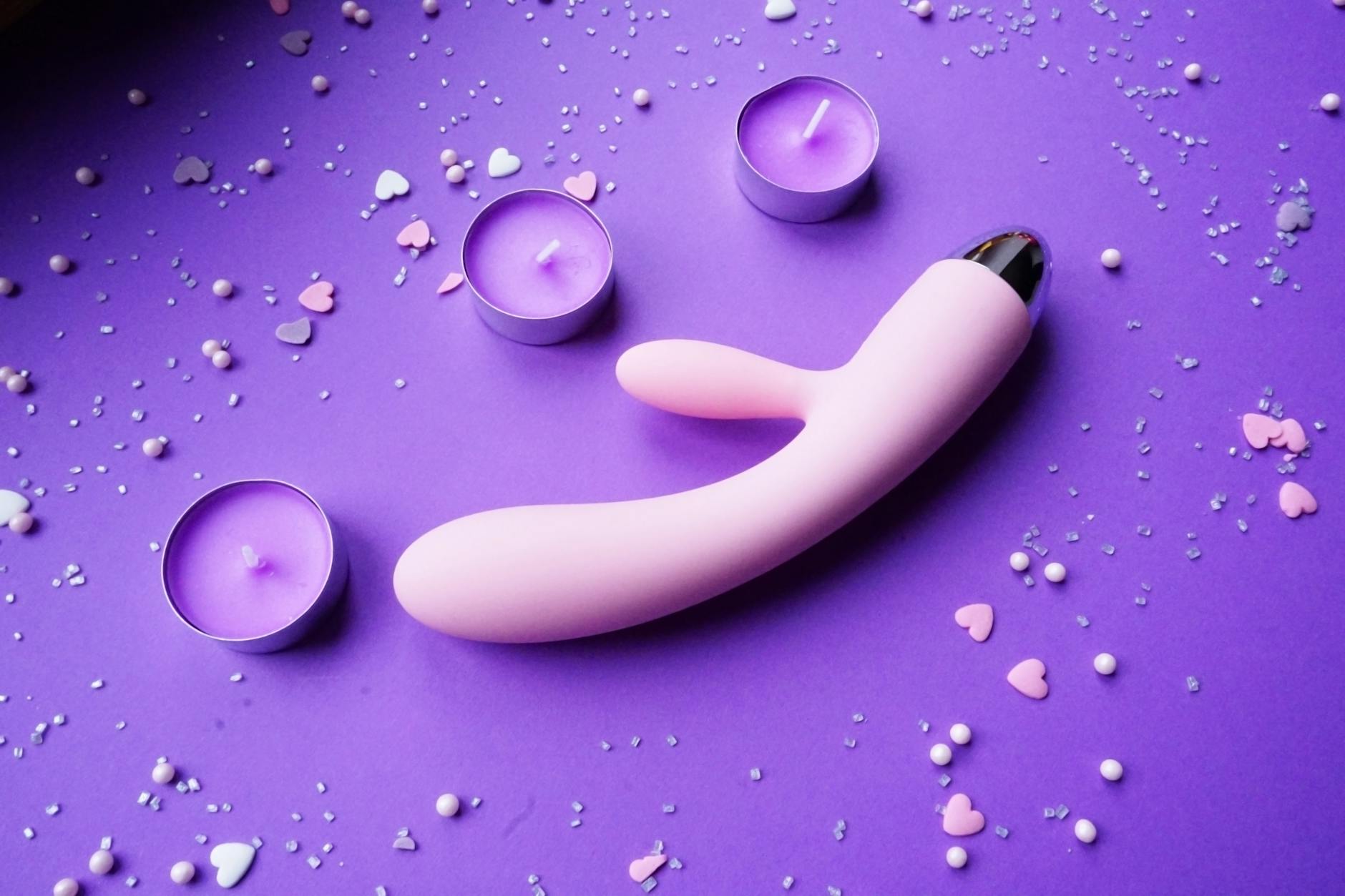
Here's what nobody tells you about the switch
Lemon vibrators and traditional vibrators aren't just different brands. They're fundamentally different technologies doing different things to your body. If you've been using traditional vibration for years, switching to a lemon clitoral vibrator without understanding that difference is like picking up someone else's coffee order and being confused why it tastes nothing like yours.
I work with couples and individuals navigating pleasure transitions all the time. The people who struggle with the switch? They approach lemon vibrators like faster, stronger traditional vibrators. The people who love them? They understand they're playing an entirely different game.
Why the shift feels so jarring at first
Traditional vibrators create rapid mechanical stimulation. They buzz, they hum, they work through repetitive motion against your skin. Lemon vibrators use suction and gentle pulsing. Instead of friction, you're getting rhythmic pressure that draws tissue upward. It's not better or worse. It's genuinely different.
Here's the practical consequence: your body's learned response to traditional vibration doesn't automatically transfer. If you've spent five years knowing exactly which pattern on your old toy gets you there in eight minutes, that knowledge is specific to that device. Starting with a lemon suction vibrator, you're relearning the map.
That's temporary. But it feels weird in the middle.
Before you buy: realistic expectations
First, let's skip the idea that you need to "upgrade." If your traditional vibrator works brilliantly for you, it works. Adding a lemon vibrator to your collection makes sense only if you're curious about a different sensation, or if your body's needs have shifted. (Sensitivity changes happen. Aging happens. Sometimes your nerve endings vote differently than they used to.)
Second, buy the right device for your learning curve. I recommend starting with the Lemon clitoral vibrator if you're new to suction entirely. Its settings are intuitive, the intensity range is forgiving, and you won't feel like you're debugging a spacecraft.
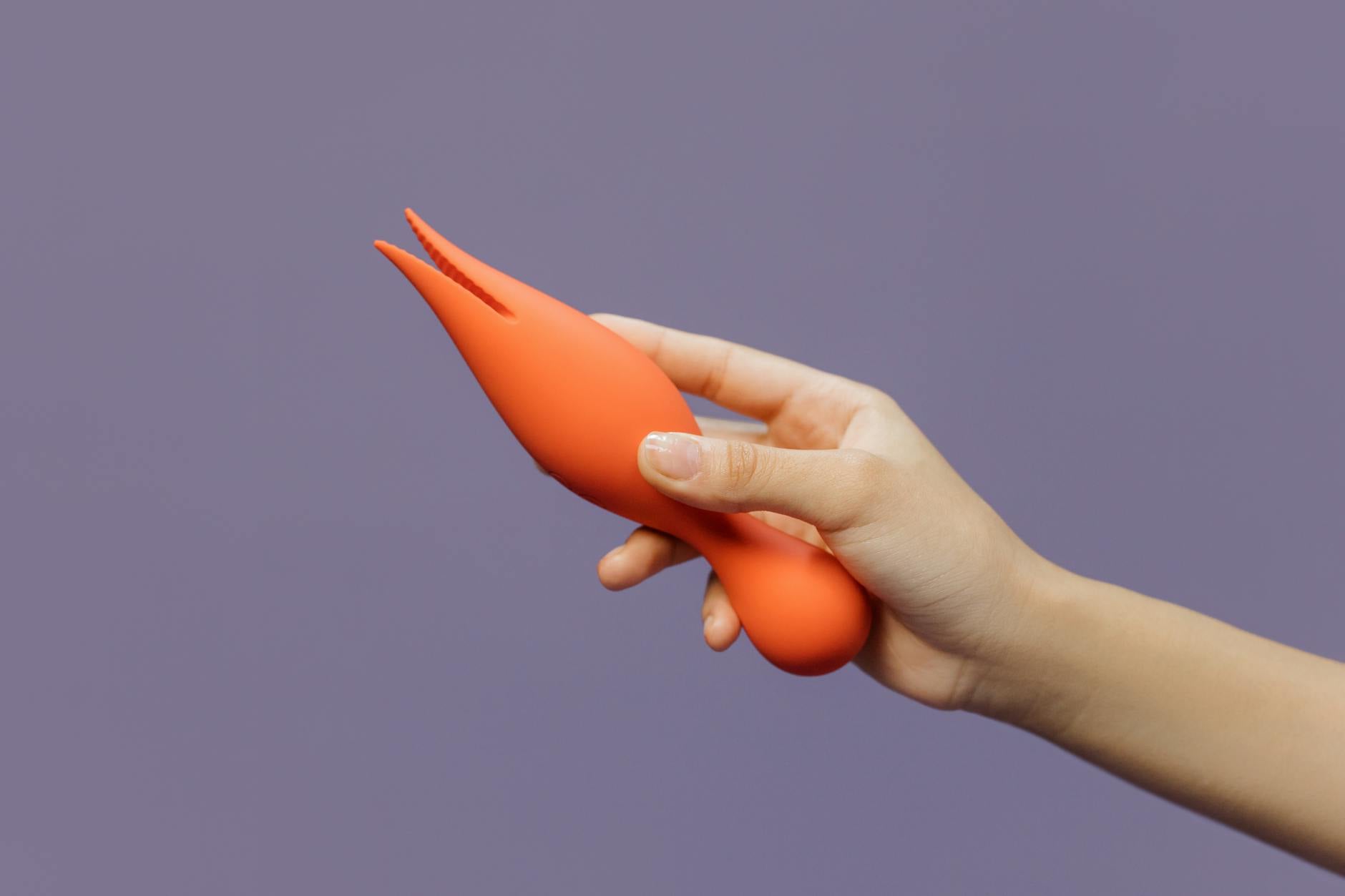
Photo by cottonbro studio on Pexels
The four-week transition plan
Week 1: Exploration without pressure
Use your lemon vibrator on the lowest setting, longest pattern. Spend time feeling where the sensation lives in your body. With traditional vibration, you feel stimulation at the surface. With suction, the sensation travels deeper. Your clitoris isn't numb. You're just reading a new language.
Spend 15 minutes. No goal. No expectation of climax. Just mapping.
Week 2: Build your comfort zone
Now experiment with settings. Spend five minutes on each pattern. Notice what makes you clench up (that's important information, not failure). Notice what makes you lean in. This is reconnaissance, not performance.
You might feel frustrated. That's normal. Your brain's been trained on a specific input. New input feels wrong until it doesn't.
Week 3: Combine with what you know
Use your traditional vibrator until you're deeply aroused, then switch to the lemon vibrator at low intensity. This bridges the gap between your learned response and the new sensation. You're not restarting from zero. You're translating.
Many people find this hybrid approach is where things click. The familiar warmup gets your nervous system online, and the suction takes you somewhere different.
Week 4: Solo run
Start with just the lemon vibrator, but give yourself permission to switch back if you're frustrated. By week four, you should have at least one pattern and intensity level that feels good. That's success.
Common problems during transition and how to fix them
"It feels too intense even on the lowest setting." You might need more direct lubrication. A water-based lube creates a better seal and can actually make the suction feel gentler by creating slip. Also, positioning matters. Angle the device so it's not pulling directly on the most sensitive part. Adjust slightly until it feels less overwhelming.
"I can't feel anything." Check your seal. Suction devices need proper contact to work. Make sure the silicone cup is fully against your skin with no air gaps. If that's solid, your nerve endings might just need time. Some bodies take longer to register suction than vibration. Give it another week before deciding it's not for you.
"I loved my old vibrator and this feels worse." You're comparing a toy you've used hundreds of times to something brand new. That comparison is unfair to both devices. Try this instead: use only the lemon vibrator for two weeks straight, then revisit your traditional vibrator. Often people find they actually prefer the suction, but only after their nervous system stops clinging to the familiar.
"I can climax with my old toy but not this one." This is the most common frustration, and it's usually a patience issue, not a capability issue. Lemon vibrators require different technique than traditional vibrators, so your usual approach won't map directly. You might need a longer warm-up. You might need to change your angle. You might need to combine it with partner touch. None of that means your body is broken.
If you have a partner, talk about the experiment
If someone else is involved in your pleasure, let them know you're testing something new. Don't frame it as "I'm unhappy" or "I need you to use this instead." Frame it as "I'm curious about a different sensation, and I'm learning it takes me longer to come to it. That's about my nervous system, not about you or what we do together."
Then actually tell them when it works. "Hey, that combo felt incredible." Partners who know they're helping you explore feel involved and curious rather than replaced.
When to stop trying and accept it's not for you
I'm not going to sell you on lemon vibrators. Some bodies prefer traditional vibration. Some people find that suction irritates their tissue. Some find the learning curve frustrating and not worth it. All of that is completely valid.
Give yourself four weeks. If after four weeks of honest exploration you're still not feeling anything approaching pleasure or curiosity, it's not your toy. It's not your body. It's just not the right fit. That's information. Use it to choose differently next time.
The bridge to pleasure
Transitioning to a lemon clitoral vibrator isn't about abandoning what worked before. It's about expanding what's possible. Some days you'll want suction. Some days you'll want vibration. Some days you'll want both. The goal isn't to replace your pleasure toolkit. It's to build it.
Give yourself permission to be awkward with something new. Your body's learned responses are smart and efficient. New sensations feel strange at first because they are strange. That strangeness isn't resistance. It's novelty. And novelty, once you get comfortable with it, is often exactly what your nervous system has been craving.
People also ask
How long does it usually take to adjust to a lemon vibrator?
Most people feel noticeably more comfortable within two to three weeks of regular use. Full comfort and confidence usually come within four to six weeks. That said, some bodies integrate new sensations faster, and some take longer. There's no timeline that's "right." What matters is that you're noticing incremental shifts toward comfort.
Can I use a lemon vibrator if I've only ever used traditional vibrators?
Absolutely. In fact, if you're starting fresh with no ingrained patterns around vibration, you might find suction easier to learn than someone switching over. Your nervous system isn't comparing it to a decade of muscle memory. How to know if a lemon vibrator is right for you has a quick assessment that might help you figure out if it's worth trying.
Do I need to use a different lubricant with lemon vibrators?
Water-based lubricant is your friend. Silicone-based lubes can damage silicone toys, and you want a secure seal anyway. Water-based lube gives you the slip you need plus better contact. Apply generously and reapply every few minutes if things feel sticky rather than slippery.
Is suction supposed to feel like pulling?
Yes and no. You should feel gentle rhythmic pressure, but not painful pulling. If your lemon vibrator feels like it's tugging on your tissue aggressively, either your seal is too strong or your tissue is more sensitive than average. Lower the intensity, adjust the angle, or add more lubricant. The sensation should feel supportive, not aggressive.
What if I have sensitive vulva tissue? Is transition harder?
Not harder, just different. Lemon vibrators work better for sensitive vulvas because suction eliminates friction, which is often the culprit in sensitivity pain. But your tissue might need slower progression. Start at the absolute lowest setting, use plenty of lubricant, and give yourself more than four weeks if needed. Sensitivity isn't a barrier. It's just information about pacing.
Can I damage my tissue by switching too fast?
No. Your body has excellent feedback systems. If something hurts, you'll know. If something feels overwhelming, you'll feel that too. The only way you damage tissue is by ignoring pain signals or pushing through genuine discomfort. Listen to your body. It's smarter than any timeline I could give you.
Next steps
If you're ready to explore lemon vibrators, start small. Buy one device. Give yourself four weeks of honest, pressure-free experimentation. Notice what changes in your body, in your pleasure, in your curiosity. Keep what works. Release what doesn't. Your pleasure matters, and the right tools are the ones that actually fit your body and your life.
Have questions about the transition? Reach out to Hello Nancy. We're here to help you figure out what actually works for you.